Tell us about the job
Takes about a minute. No obligation.
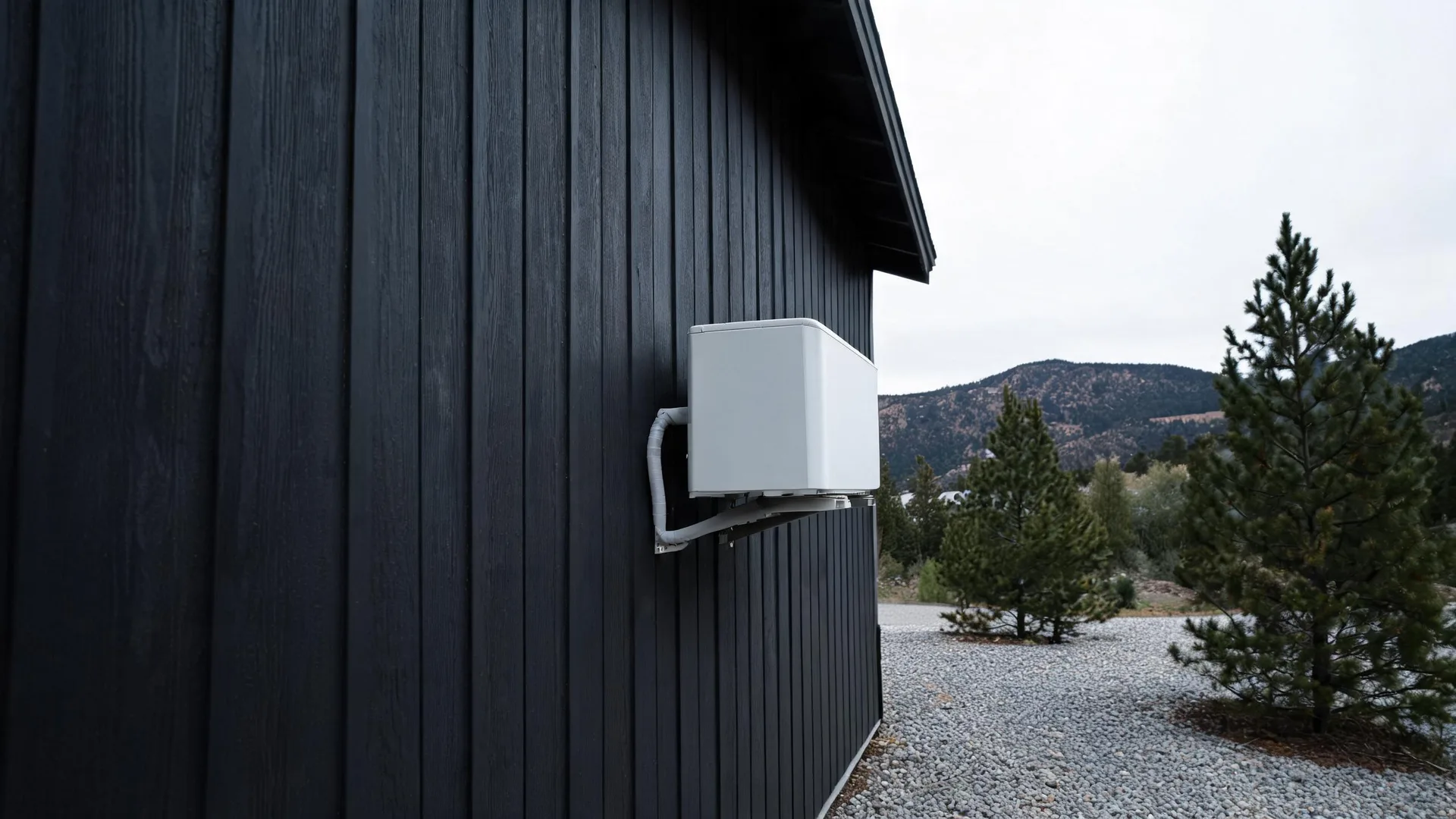
Sizing a mini-split here starts with what the heating load demands, because the cooling side of the equation is effectively zero. Homes in Teton County, ID have essentially no cooling season — no month of the year is warm enough to call for it. A contractor quoting a system in this county has to establish that the unit's low-temperature heating capacity matches what the house actually needs on the coldest nights, since the compressor spends its working life on the heating cycle alone. Undersized heating output does not hide quietly in a shoulder season of moderate cooling calls. It surfaces on the days the system is most needed.
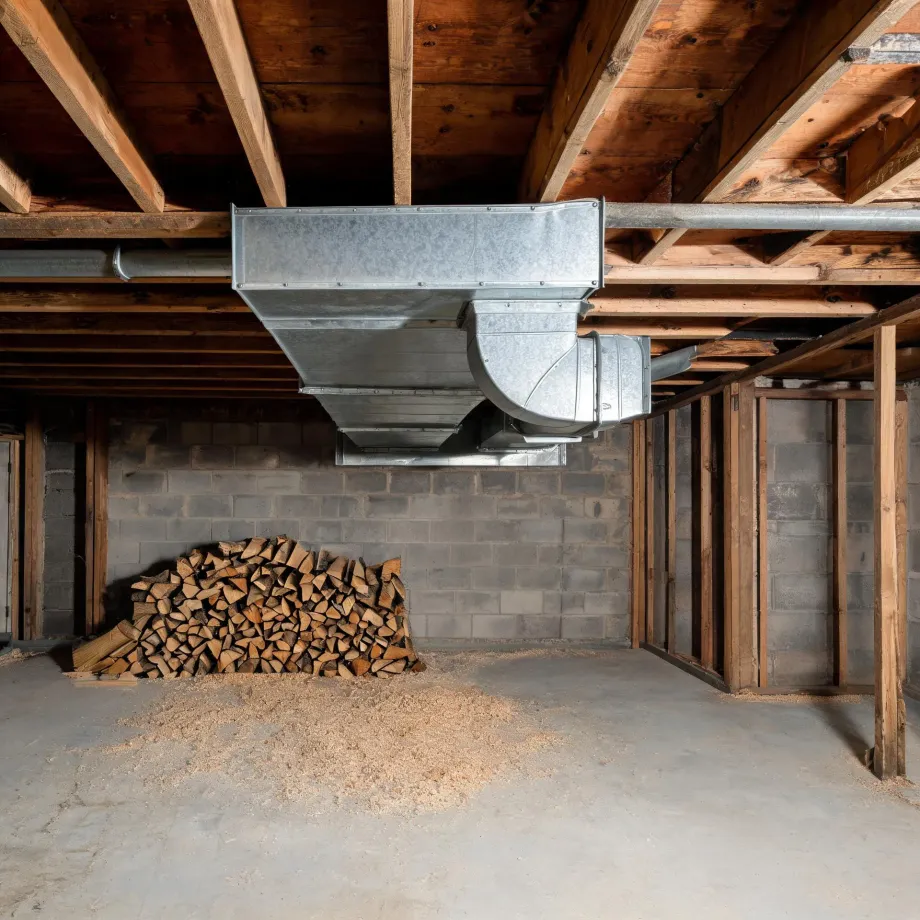
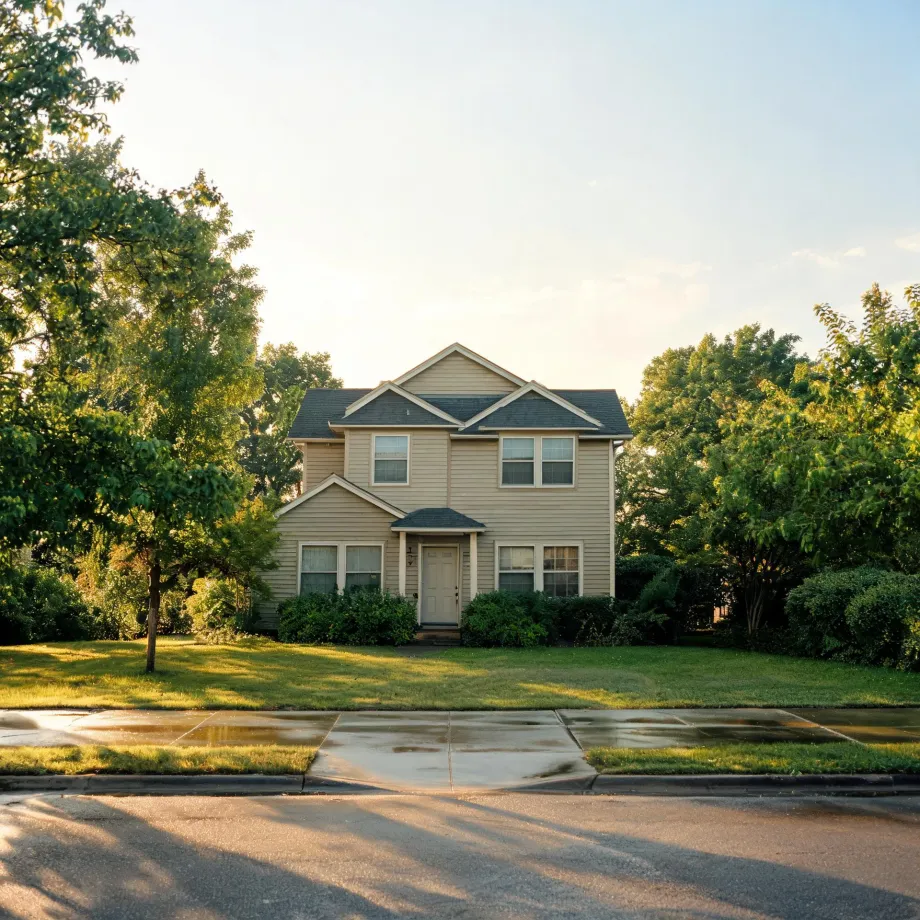
A good share of Teton County's housing went up recently enough that the electrical panels and wall assemblies a contractor encounters were built to modern load expectations. Half the homes in Teton County, Idaho were built in 2001 or earlier (2020-2024 ACS 5-year). That median puts much of the stock in a range where a licensed contractor sizing a mini-split is not inheriting a panel that was never meant to carry it. The framing, the insulation, and the service capacity in these houses are close enough to what current ductless equipment asks for that the electrical assessment tends to confirm capacity rather than flag a problem.
The Parts of a Mini-split System and What HVAC Installation Covers
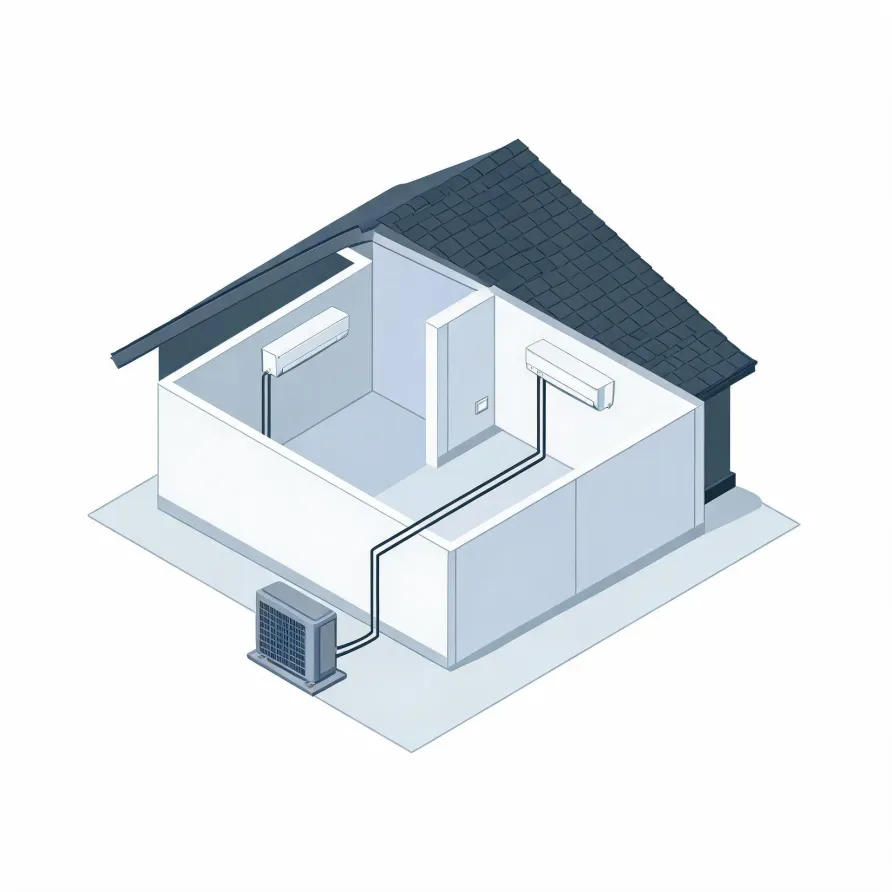
The indoor air handler mounts high on an interior wall inside the room being conditioned. It holds the evaporator coil and the fan that moves air across it. The outdoor condenser unit sits outside the house, usually on a pad or wall bracket, and carries the compressor and the second coil.
A conduit runs through a small hole in the wall and bundles the refrigerant lines, a condensate drain line, and the power and communication wiring that connect the two units. A wall-mounted thermostat or handheld remote gives the occupant control over each zone.
The drawing shows a typical layout, and a licensed contractor determines exactly how those pieces come together in your house.
Find a contractor in Teton CountyTeton County, Idaho, by the numbers
165 severe weather events were recorded in Teton County, Idaho between 2015 and 2024.
NOAA National Centers for Environmental Information, Storm Events Database, bulk CSV export, events 2015-01-01 through 2024-12-31.Half the homes in Teton County, Idaho were built in 2001 or earlier (2020-2024 ACS 5-year).
U.S. Census Bureau, 2020-2024 American Community Survey 5-Year EstimatesTeton County, Idaho holds 6,481 housing units (2020-2024 ACS 5-year).
U.S. Census Bureau, 2020-2024 American Community Survey 5-Year EstimatesOwners occupy 80.8% of the occupied homes in Teton County, Idaho (2020-2024 ACS 5-year).
U.S. Census Bureau, 2020-2024 American Community Survey 5-Year EstimatesCodes & Standards Governing Mini-Split Installation in Teton County, Idaho1 sourced rules and standards
Licensing and Legal Requirements in Teton County, Idaho
Idaho requires a state certificate of competency for heating, ventilation and air conditioning work: it is unlawful to engage in the business, trade or practice without passing the examination and holding the certificate.
Severe Weather Events in Teton County
Teton County's climate puts real demand on heating and cooling equipment, and that demand shapes what a proper mini-split installation here needs to handle. Sizing and equipment choices are local decisions, and the weather record is part of that picture.
165 severe weather events, 2015–2024. Source: NOAA National Centers for Environmental Information, Storm Events Database.