Mini Split Idaho Pros
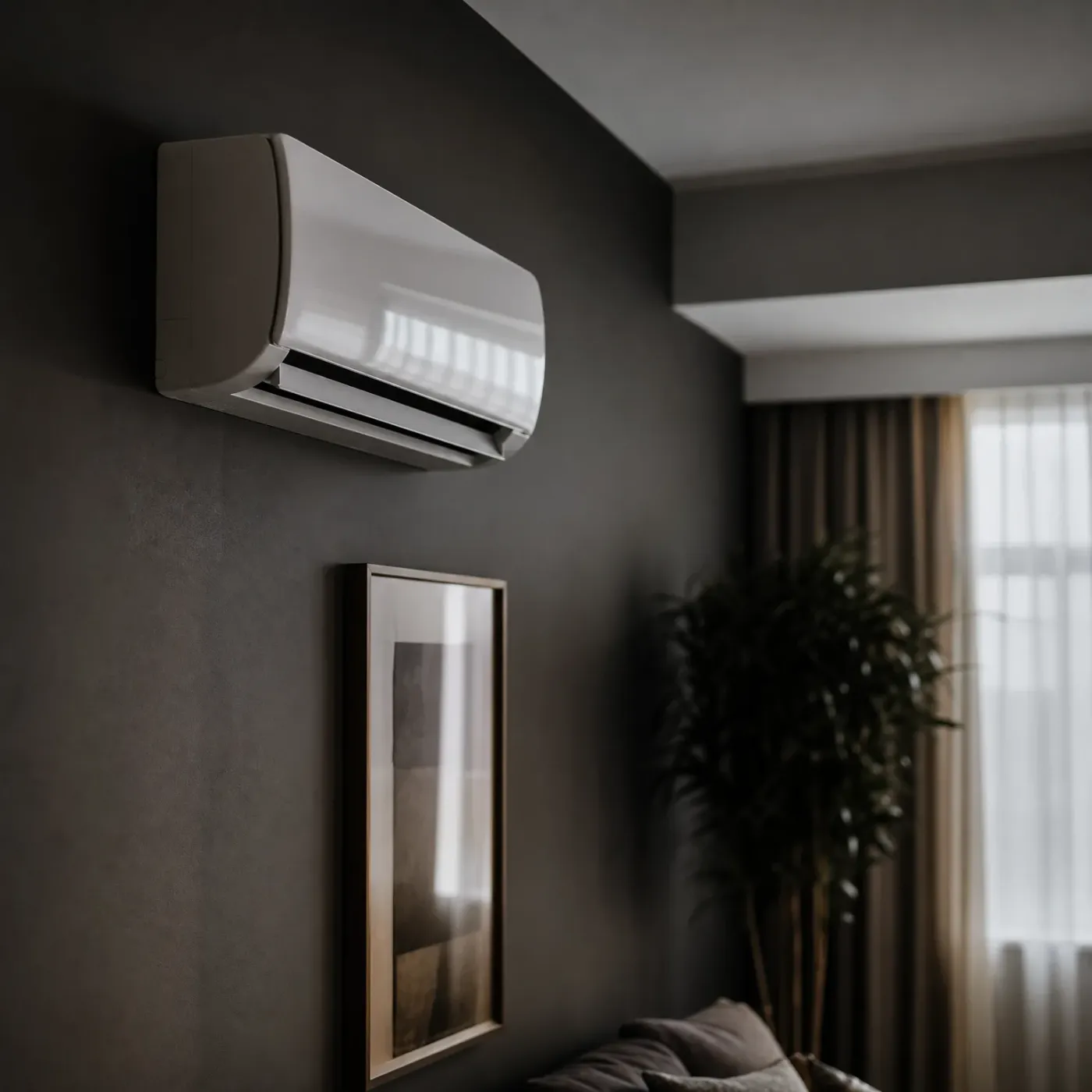
A white wall-mounted mini-split air conditioner on a dark gray interior wall above a framed picture, with a potted plant and curtained window to the right.

Send one request and you're done looking

What a mini split tune-up covers in Idaho

A mini split tune-up means someone goes through the indoor and outdoor units, cleans what needs cleaning, and checks what tends to fail after a hot Idaho summer or a cold stretch running the heat. This page covers what's actually included and what it catches early. Send the form and the search for who does it is off your plate.

Hand off the search

A mini split tune-up covers both halves of the system. The indoor head gets its filters pulled and washed, the blower wheel checked for dust buildup, and the drain line cleared so condensation doesn't back up into the wall or ceiling. The outdoor unit gets its coil rinsed clean, since Idaho summers coat it in dry dust and pollen that block airflow if it sits too long. Someone checks the refrigerant charge, tests that the unit is drawing the right amount of power, and makes sure the system switches cleanly between cooling and heat. A mini split that runs all summer and carries the heat load the rest of the year works harder than most people realize, and a dirty coil or low charge shows up as a higher bill before it shows up as a breakdown. Catching that early means the unit lasts longer and keeps working the way it did the day it went in.

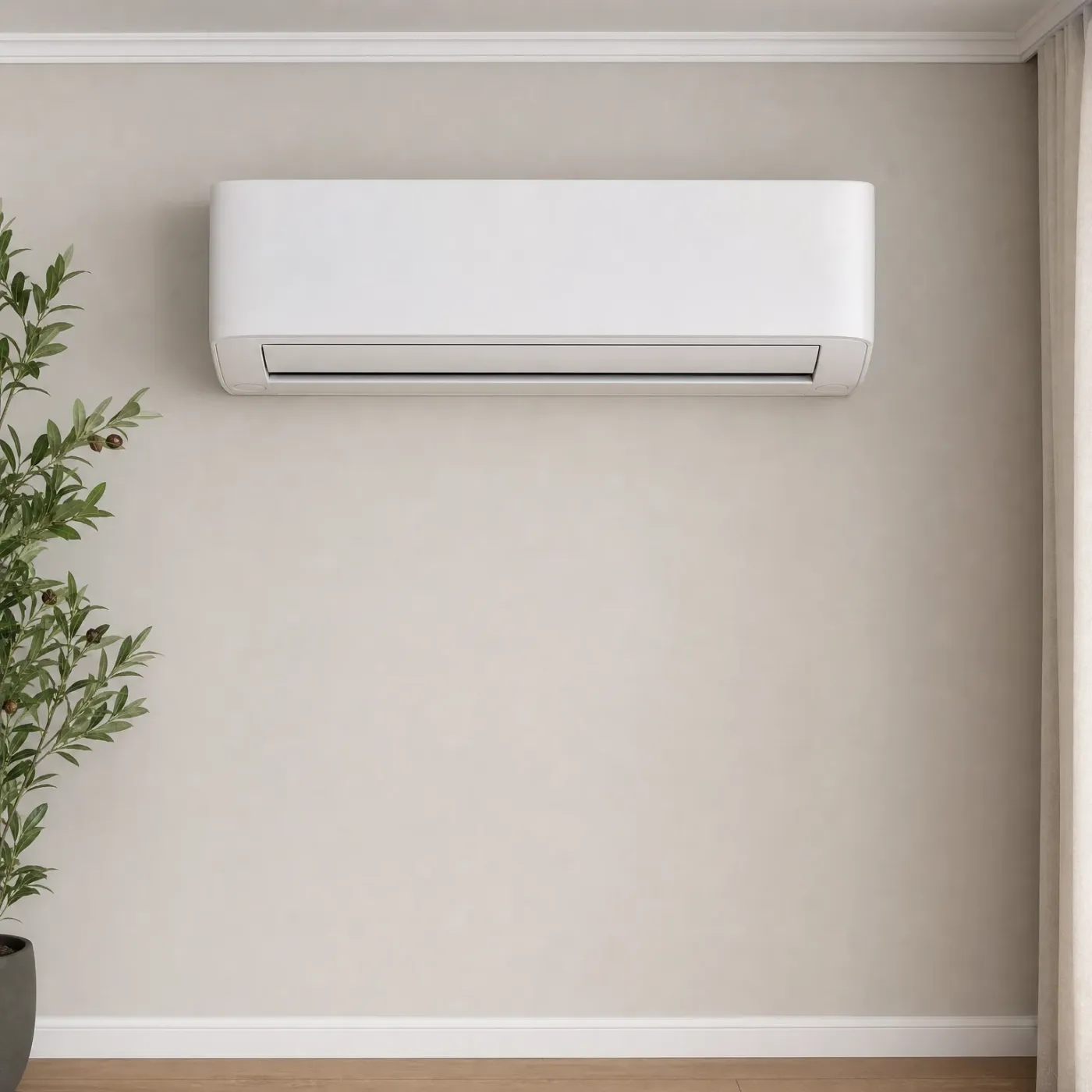
A white wall-mounted mini-split indoor unit on a beige interior wall, with a potted leafy plant at the left and a curtain edge at the right.

Clean and maintained

The filters are clear, the coil behind them is clean, and air moves through the head the way it did when it was new. The outdoor unit sits with nothing blocking it. Idaho's dry summer dust hasn't had the chance to build up on anything.

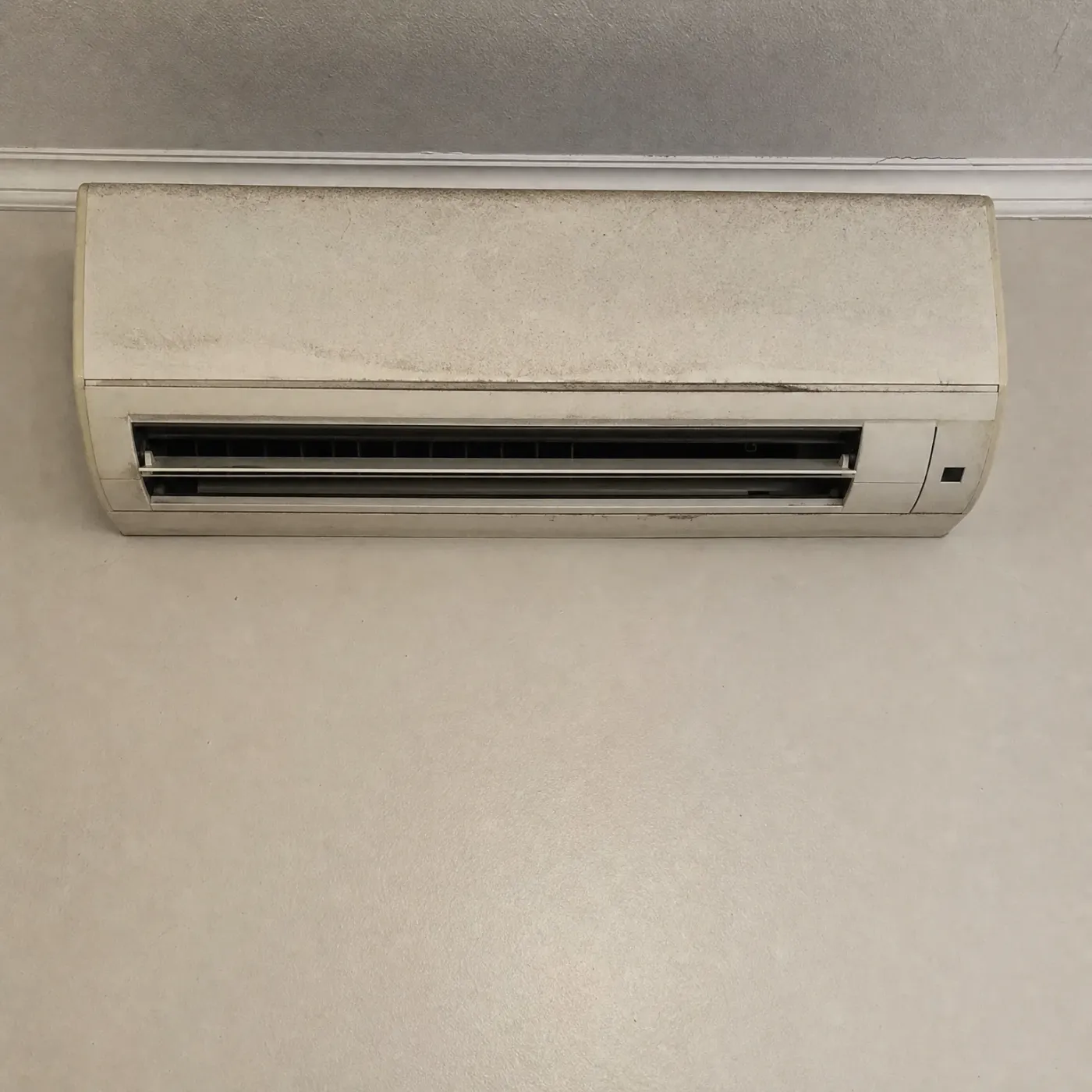
A dusty, discolored wall-mounted mini-split air conditioner indoor unit near the top of a plain light-colored interior wall below a white molding strip.

Dust and grime built up

This is what a filter does after a summer of dry dust and a winter of running the heat with nobody washing it. The casing shows it on the outside, but the blower wheel behind it is carrying the same buildup, and that's what makes the head work harder for less air.

Why does your mini split seem weaker than it used to be?

You notice it most on the hottest afternoons. The head is running, you can hear it, but the room takes longer to cool than it did last year. Sometimes there's a musty smell when it first kicks on, or the airflow feels thin even on high. Outside, the unit might be sitting in a season's worth of dry Idaho dust, which blocks the airflow it needs to move heat. A clogged filter or a dirty coil makes the system run longer to do the same job, and a drain line that's backed up can leak into the wall below the indoor head. None of that fixes itself once the weather turns.

  1. Pull and wash the indoor filters before checking anything else

  2. Check the blower wheel for dust buildup on the blades

  3. Clear the drain line so condensation doesn't back up inside

  4. Rinse the outdoor coil clean of dust and dry debris

Tune-up now or wait for winter

Tune-up this fall

  • A technician catches a dirty filter or a weak drain line before the heat strip has to fight through it all winter.
  • Cleaning the outdoor coil now means the unit isn't pulling heat through a layer of summer dust when temperatures drop.
  • Any refrigerant charge issue shows up on a gauge in October, not as a head that won't warm the room in January.
  • You're scheduling on your own timeline, not standing in a cold room waiting for a callback.
  • A local contractor who services mini splits through both Idaho summers and winters knows which parts wear first in this climate.

Wait and see

  • The unit keeps running on a dirty filter and a coated coil through the coldest months of the year.
  • A slow drain line that was fine in July can back up once the system is working harder to heat.
  • A small drop in refrigerant charge gets worse under winter load, not better, and costs more capacity the longer it runs.
  • If the head stops heating on a cold night, you're calling around for whoever can come out soonest instead of someone who already knows the unit.
  • Power here is cheap, but a system losing efficiency still runs longer to do the same job.
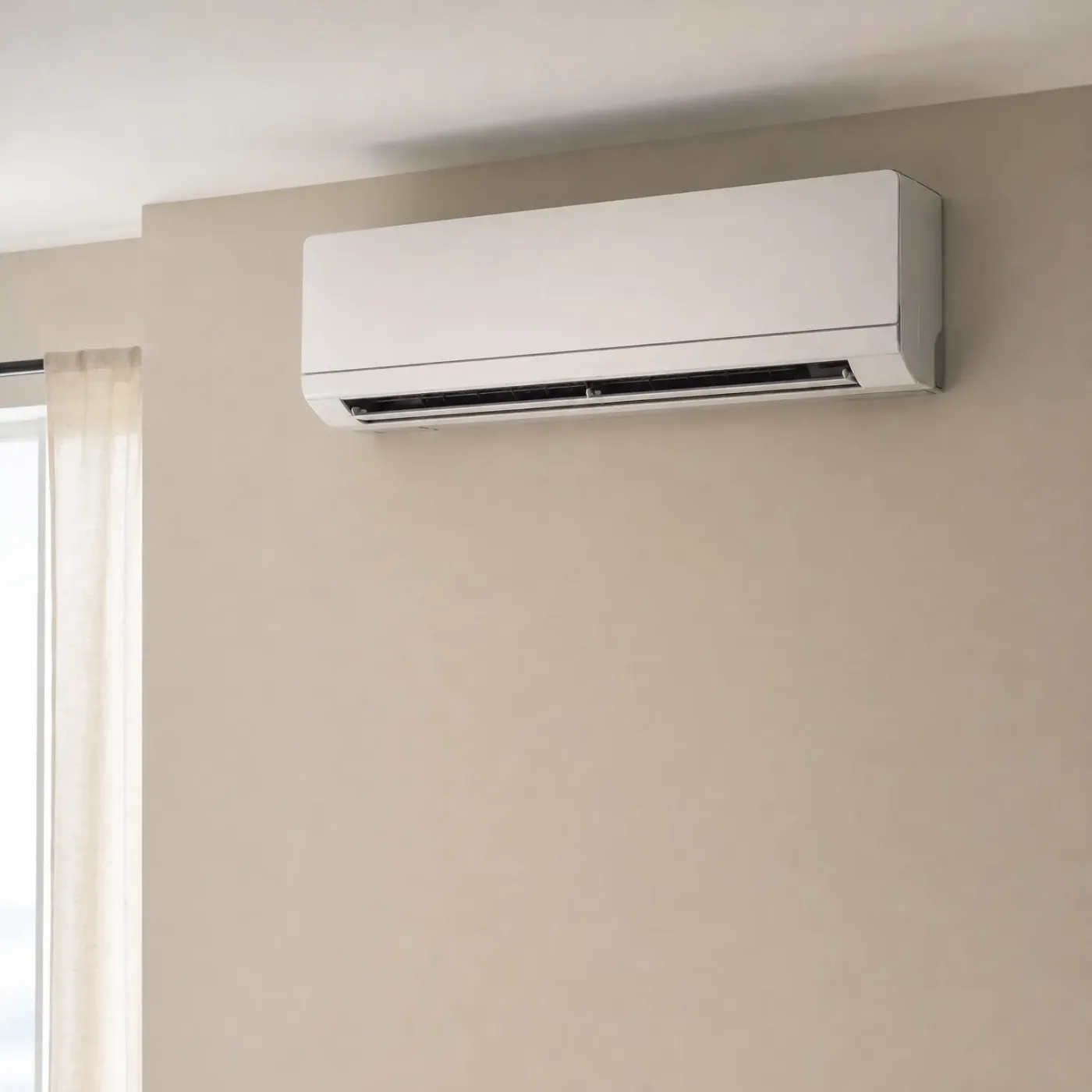
A white wall-mounted mini-split air conditioner installed high on a beige interior wall near the ceiling, with a sheer curtain and window at the left edge.

Running clean

The head sits near the ceiling with the vent closed down, pulling air in and sending it back out without much noise. Nothing on the housing is streaked or dulled. This is what a mini split looks like when the filter and coil behind it are still doing their job.

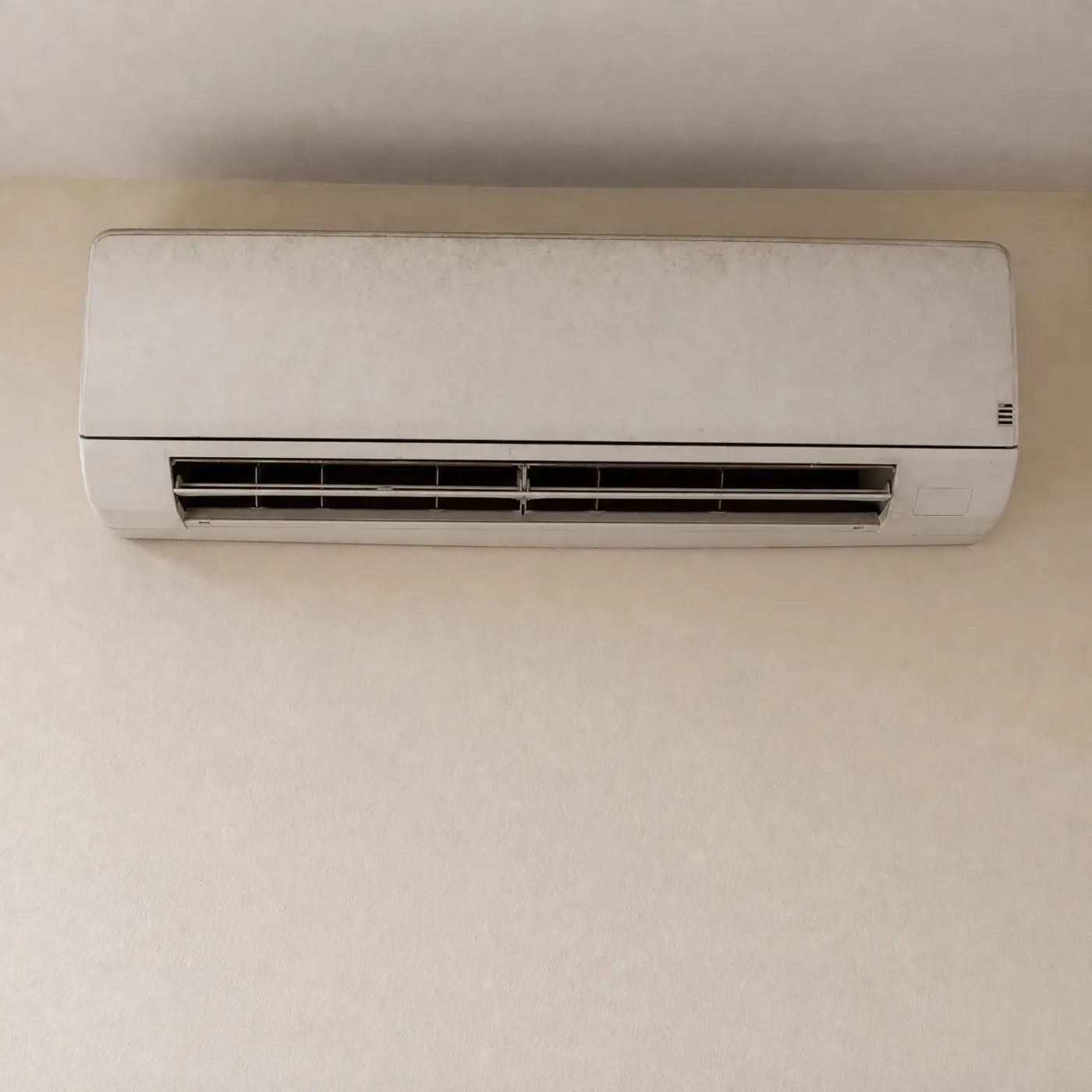
A white wall-mounted mini-split air conditioner indoor unit with visible dust and discoloration, installed near the ceiling on a plain beige wall.

Running dirty

Dust has settled into the housing and darkened it, and the louvered vent sits open on a unit that's working harder than it should. A dirty coil behind that vent makes the head run longer to cool the same room, and the small panel on the side can't tell you that from here.

A man in a blue sweatshirt reclines with closed eyes in a brown leather armchair in a living room with a bookshelf, houseplant, sofa, window, and a side table holding newspapers and a dark mug.
A bearded man in a gray pullover reclines with closed eyes on a brown leather sofa in a sunlit room with a window, framed picture, potted plant, and a wooden cabinet holding papers and a dark mug.
A man in a gray sweater leans back with closed eyes in a brown leather armchair beside a wooden side table holding a dark mug and a folded newspaper, with bookshelves and a window seat behind him.
A man in a green sweater reclines in an armchair with his eyes closed and a slight smile, beside a window with plants, a small table holding a mug and folded newspaper, and bookshelves behind him.

Finding a pro stops being your job

A licensed local pro takes the request for your mini split tune-up.

Sending the form costs nothing.

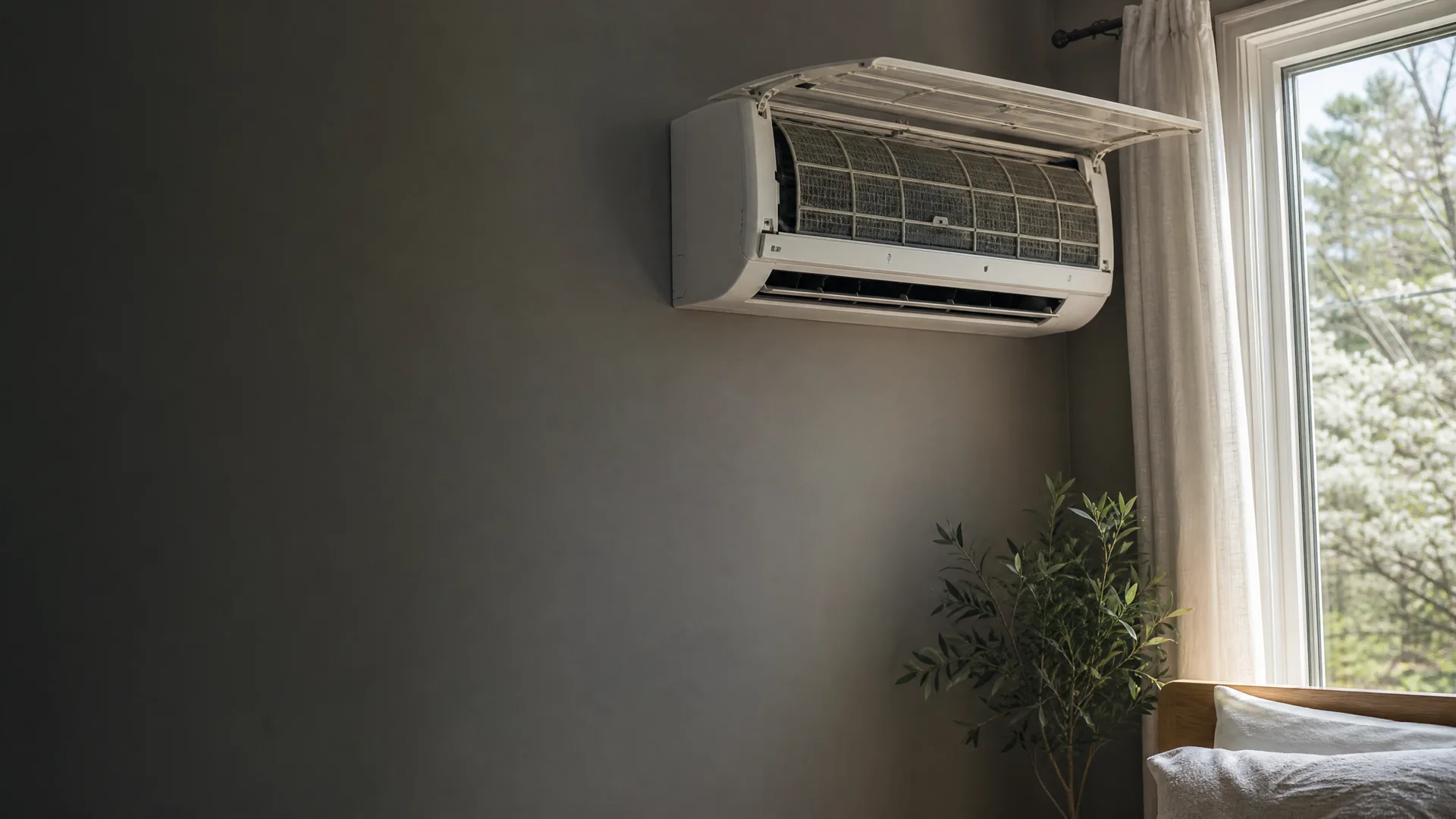
A wall-mounted mini-split air conditioner with its front cover open exposing the filters, on a gray interior wall beside a curtained window with green trees outside and a potted plant below.

It's a Saturday morning in April, light coming through the blinds. You've got the front cover of the bedroom head popped open because the unit's been running but the room never quite gets cool like it used to. The filter screen underneath is grey with a season's worth of dust, more than you expected. You run a finger across it and it leaves a clean line. Outside the sky is already doing that dry, bright thing it does before an Idaho summer sets in, and you're thinking about the stretch of afternoons coming where this room will depend on what's behind that cover.
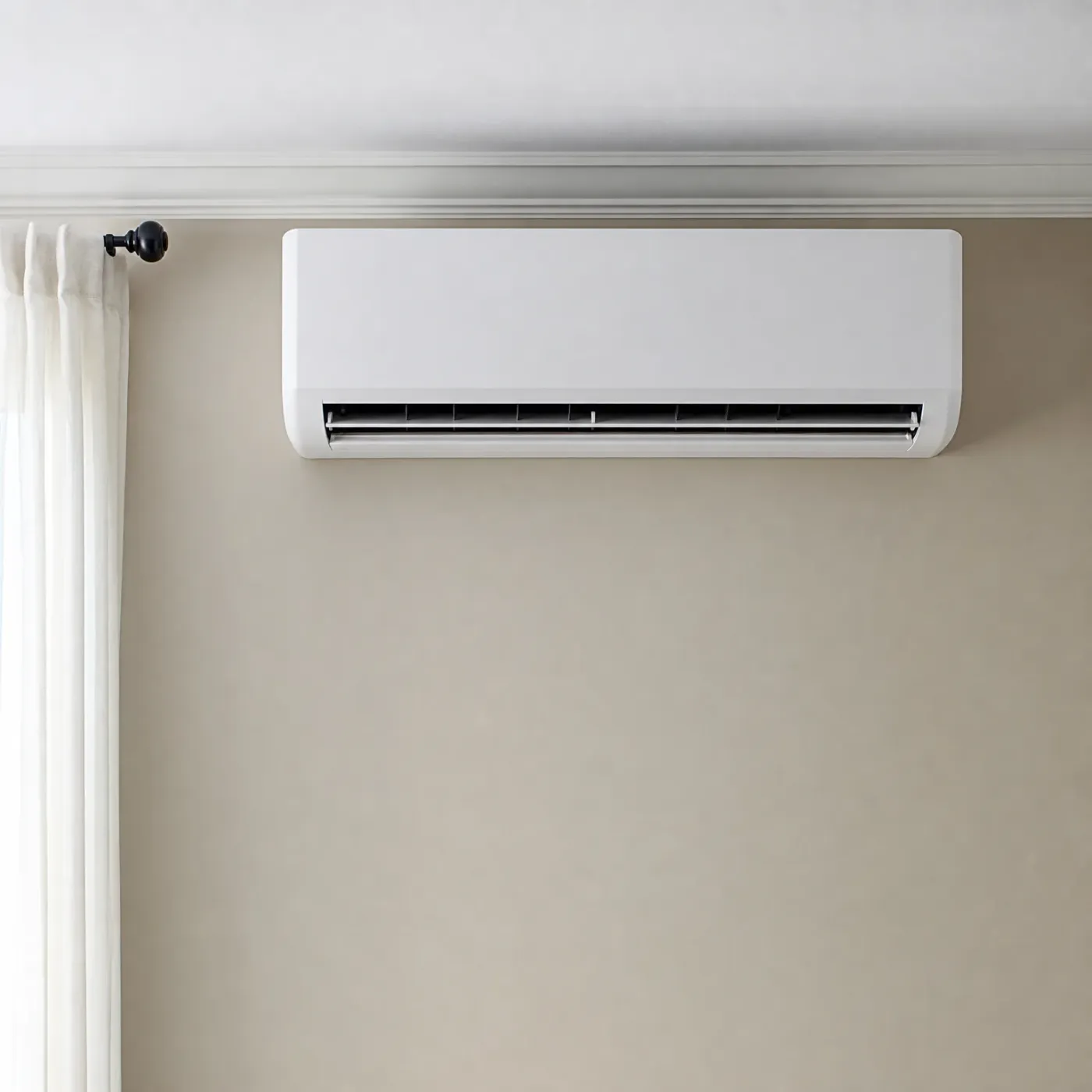
A white wall-mounted mini-split air conditioner installed high on a beige interior wall below crown molding, with a sheer white curtain on a dark rod at the left edge.
The casing is clean, the vent swings open without resistance, and the room cools fast even on a dry, hot afternoon.
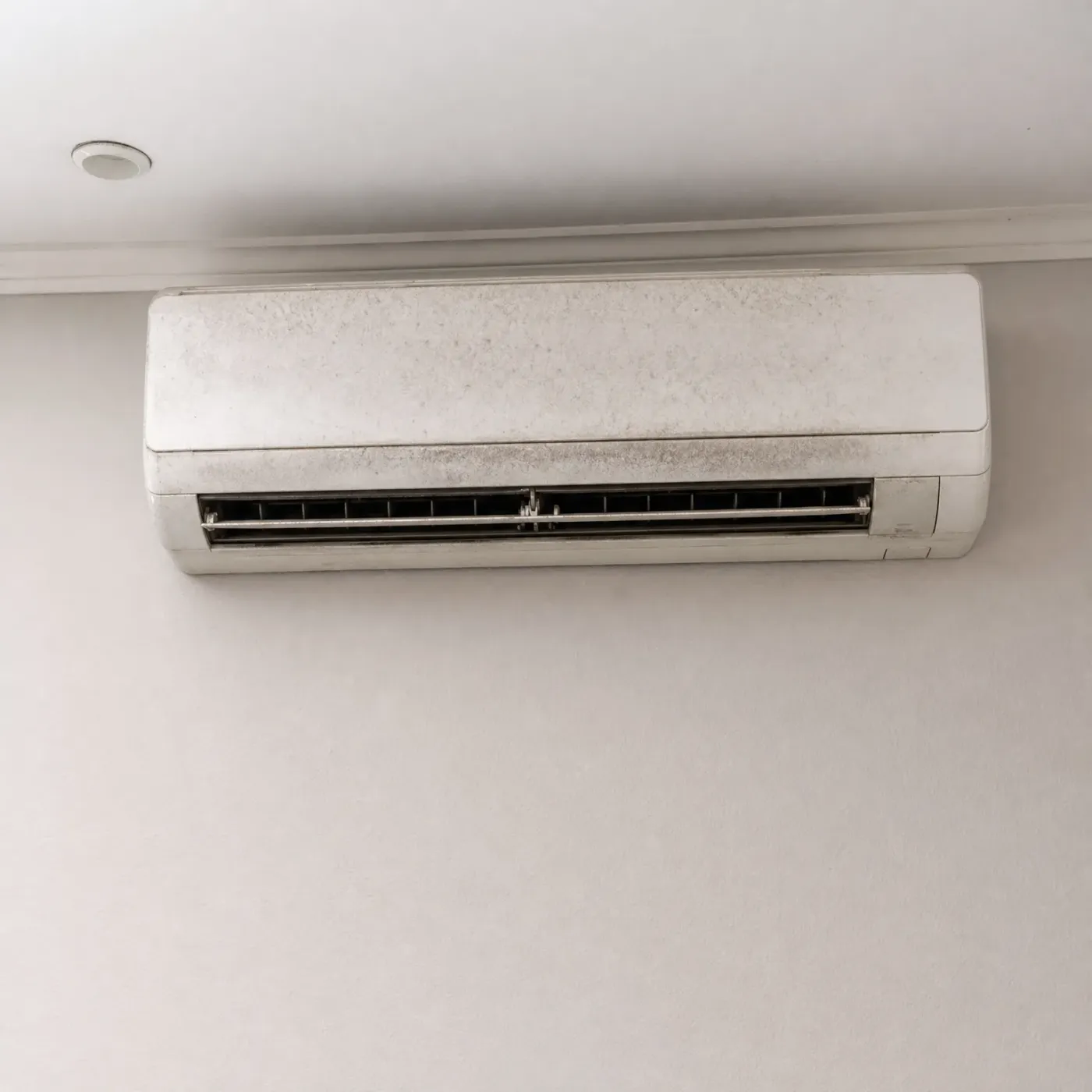
A dusty white wall-mounted mini-split air conditioner unit installed near the ceiling on a plain light-colored interior wall, with a small recessed ceiling fixture at upper left.
Dust has built up on the casing and around the vent, a sign the filter and coil behind it haven't been touched in a while.

Power costs 11.83 cents per kilowatt-hour statewide

At 11.83 cents a kilowatt-hour, running a mini split here doesn't strain the bill the way it might elsewhere. But a dirty filter or coil still makes the unit work harder than it needs to, and that shows up in your bill no matter how cheap the rate is.

EIA-861 2025 statewide residential average

What a Tune-Up Covers, in Plain Terms

  • A mini split tune-up means the filters, coil and drain line get checked and cleaned front to back.
  • The indoor head and outdoor unit are treated as one system, since a problem in one shows up in the other.
  • Idaho's dry summer dust settles into the outdoor coil whether or not the unit looks dirty from outside.
  • A clogged drain line is one of the most common reasons a head starts dripping or smelling musty.
  • Low refrigerant and a dirty coil both make the compressor work harder without you seeing why.
  • Catching these before the next hot stretch or cold snap means the system isn't working against itself.

A mini split tune-up isn't one task. It's a technician working through both halves of the system, indoor and outdoor, because they don't fail on their own. A weak drain line inside shows up as a musty smell or water where it shouldn't be. A dirty coil outside shows up as a compressor straining to do what it used to do without effort. Idaho's summers are dry, but dry doesn't mean clean. Dust still settles into the outdoor coil fins over a season of hundred-degree afternoons, and you won't always see it from where the unit sits.

The filters get pulled and washed. The blower wheel gets checked for buildup on the blades, since that's what pushes air into the room, and dust there means less air no matter how clean the filter looks. The drain line gets cleared so condensation has somewhere to go besides your wall or ceiling. Refrigerant pressure gets checked too, because low refrigerant makes the compressor work harder without any outward sign until the bill or the performance tells you.

None of this is guesswork once someone's looked at the actual unit. A technician who services these systems every season in Idaho knows which parts tend to wear first here and what a summer of dust does to a coil that's never been rinsed. Catching it now, before the next heat wave or cold snap asks more of the system than it's ready to give, is the whole point of the visit.

A gray-haired man in a blue quarter-zip sweater sits in an armchair with his eyes closed, beside a large window with bare trees outside and a potted plant and lamp nearby.
A woman in a cream knit sweater sits in an armchair with her eyes closed and head tilted back, beside a window showing orange autumn foliage and a wooden side table with a mug.

Mini Split Maintenance

Let someone else find the pro

Only one pro gets your request, so you hear from one company.

A black-framed smartphone standing upright against a plain white background, its screen filled with solid green.
Step 1 of 3: Equipment