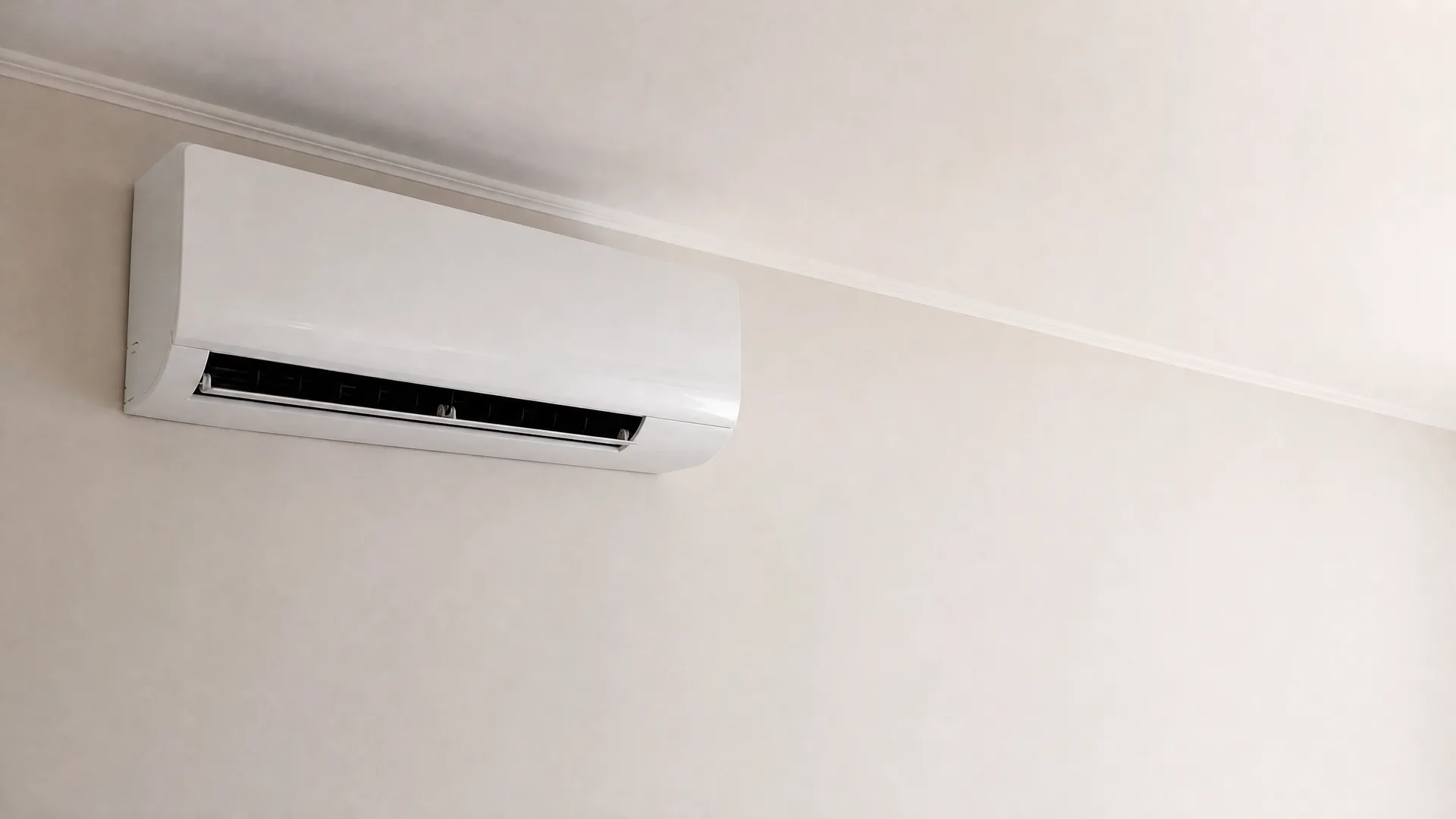
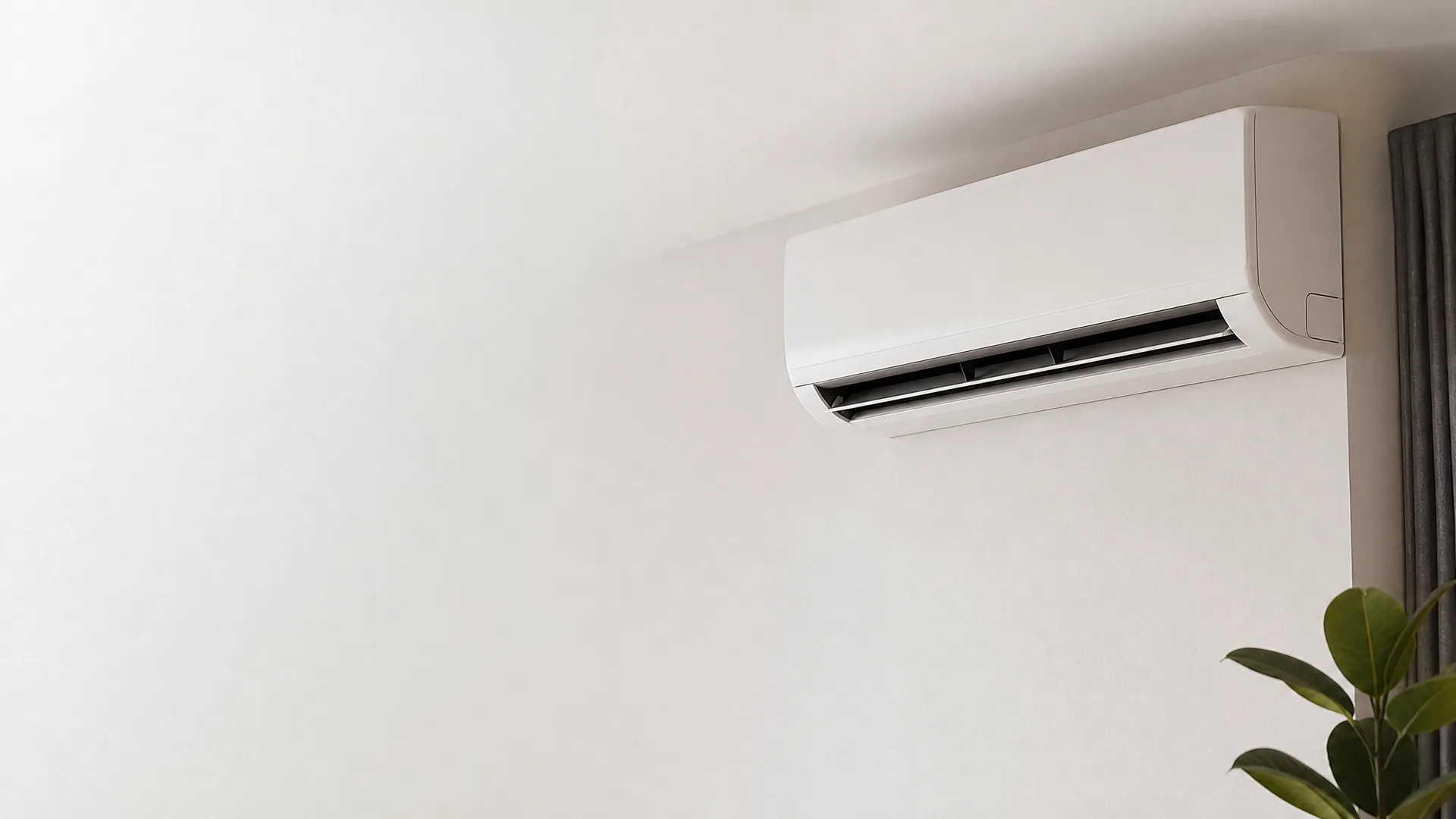
Send the form and the mini split tune-up stops being something to remember.
A mini split can run all winter here, down to a point. Most of them keep working in freezing temperatures, and plenty of Idaho homes use one to take the edge off a cold room without firing up the furnace for the whole house. But most homes here heat with gas, and that matters for how you use the mini split once the real cold sets in.
Below a certain outdoor temperature, a mini split loses its ability to pull heat from the air efficiently. It will still run. It just works harder to do less, and that is when a lot of homeowners notice the unit cycling constantly or the room never quite getting warm. That is not a sign it is broken. It is a sign it is outmatched by the weather, and your gas furnace is built for that job instead.
What a mini split needs, whether you run it through January or shut it down after the leaves fall, is a check before the heavy use starts. The coils, the filter, the drain line, the refrigerant charge. Idaho's dry summers leave dust that settles into the unit, and that buildup is still there when you switch the thing from cooling to heating. A tech who works on these year-round in this state knows what tends to go first, because it is usually the same handful of things.
If you send a request through this page, it goes to one contractor, not a handful of strangers calling you back at once. Someone local, licensed, who services mini splits in Idaho winters and summers both and has a good sense of what yours needs before they even see it. From there, it is off your plate. You stop hunting for a name in a search bar and start waiting for someone who already knows the equipment to show up and look at it.
Should I run my mini split all winter in Idaho?
Your mini split keeps a room warm now, but Idaho winters get cold enough to make you wonder if it's working harder than it should, or if you'd be better off letting the furnace carry the house and saving the mini split for shoulder season. You want to know if running it straight through to spring is a reasonable call or a mistake waiting to show up on the power bill.
Yes, as long as it can still keep up when it gets cold
A mini split pulls heat from the outside air, so the colder it gets, the harder it has to work to deliver the same warmth. Most units sold today still put out real heat well below freezing, but output drops as the temperature does, and a unit sized for a mild fall day may fall behind during a hard cold snap. Since most homes here already have gas heat for the rest of the house, the mini split doesn't have to prove it can carry everything on its own. Let it run in the room it serves, and let the furnace take over if that room stops holding its temperature or the unit starts running nonstop without catching up.
Running clean
A mini split that's kept up with stays quiet and holds its temperature without the fan working overtime. The coil stays clear, so the unit pulls warm air through without strain. You'd check the filter yourself every few weeks, but once a season a contractor can get into the coil and drain line where you can't reach.
Running neglected
A mini split left alone through a few winters starts showing it on the case, dust and discoloration built up where warm air has been pushing through. Inside, a dirty coil makes it work harder for the same heat. That's a small problem now. Left through another winter, it's a repair instead of a cleaning.
Below freezing
Most mini splits lose heating power once outdoor temperatures drop well below freezing. On the coldest Idaho nights, the furnace carries the load, not the mini split.
A mini split that's gone a winter or two without a filter cleaning or a coil check starts leaning on its backup heat strips sooner, and that's where the power bill creeps up even though your power rates are low. Dust on the coil and a clogged filter make the unit work harder for less warmth, and running strain on a cold night is how you end up calling for a repair instead of a tune-up. A local contractor who services mini splits all season knows which models in this area struggle once temperatures drop and what usually needs attention before that happens, whether it's a coil that needs clearing or a sensor that's drifted off. Getting someone out now, before the next cold stretch, means your mini split and your furnace are both working the way they're supposed to, instead of you guessing which one is carrying the load. Send the request and let someone who knows this equipment take it from here.
What a dirty filter does to your room
Run your hands over the return grille. If it's dusty, the unit is pulling air through a mat of lint instead of a clean screen. The room takes longer to warm up and the fan runs longer to get there. You might not notice it as a problem, just a room that never quite feels as warm as the thermostat says. Meanwhile the heat strips kick in more to make up the difference, and those cost more to run than the compressor does.
What it means for the rest of the house
A mini split that's struggling doesn't just affect the one room it heats. If you've been using it to keep a bonus room or converted garage comfortable without running ductwork out there, a unit that's lost efficiency means the furnace ends up picking up slack it wasn't sized for, or that room just stays cold. A tech who services mini splits all winter in Idaho can tell from the coil and the filter whether yours is working the way it should, or working harder than it needs to.
Is your mini split working harder than it should this winter
Stand near the unit and listen. If the fan runs longer than it used to, or the room by the mini split still feels cool after it's been running a while, the coil or filter is probably dirty. Check the air coming out of the indoor unit. Weak airflow, even when the fan sounds like it's working, usually means something is blocking it before the air gets to you. Look at the outdoor unit too. Ice that doesn't clear on its own, or frost that builds up thick instead of melting off in short defrost cycles, points to a problem rather than normal winter operation. Left alone, a struggling mini split leans harder on its backup heat strips, and that's where you'll notice it on the power bill even with Idaho's low rates.
Working the way it should
The unit sits quiet near the ceiling, the air it puts out warm and steady. Look through the vents and the coil behind them is clean, no gray buildup catching the light. It cycles on, does its job, and shuts off without the fan dragging on.
Falling behind
The casing has a layer of dust across it, and with the panel open the filter shows the same. Air has to push through that buildup to get into the room, so the unit runs longer and the coil behind it stays colder than it should.
Power costs 11.83 cents per kilowatt-hour statewide
At 11.83 cents a kilowatt-hour, running your mini split through a cold snap won't hit your bill hard. That's part of why a dirty filter or coil goes unnoticed here. The unit works harder and the heat strips kick in more, but the cost barely moves, so the strain shows up in the room before it shows up on the bill.
EIA-861 2025 statewide residential average
A mini split can run all winter in an Idaho home, and it will do that job better with a clean filter and a clear coil behind it. That's the whole answer. The furnace still carries the house on the coldest nights, the mini split still takes the edge off the room it's in, and a quick check now keeps it from leaning on its backup heat strips before it has to. If you want someone to look at it, you'll get matched with one local contractor who works on mini splits all season here and knows which parts tend to go first in this climate. No list of companies calling you back, just the one who's actually set up for this job. Send the request and that search becomes someone else's work instead of yours.