





How cold is too cold for a mini split in Idaho

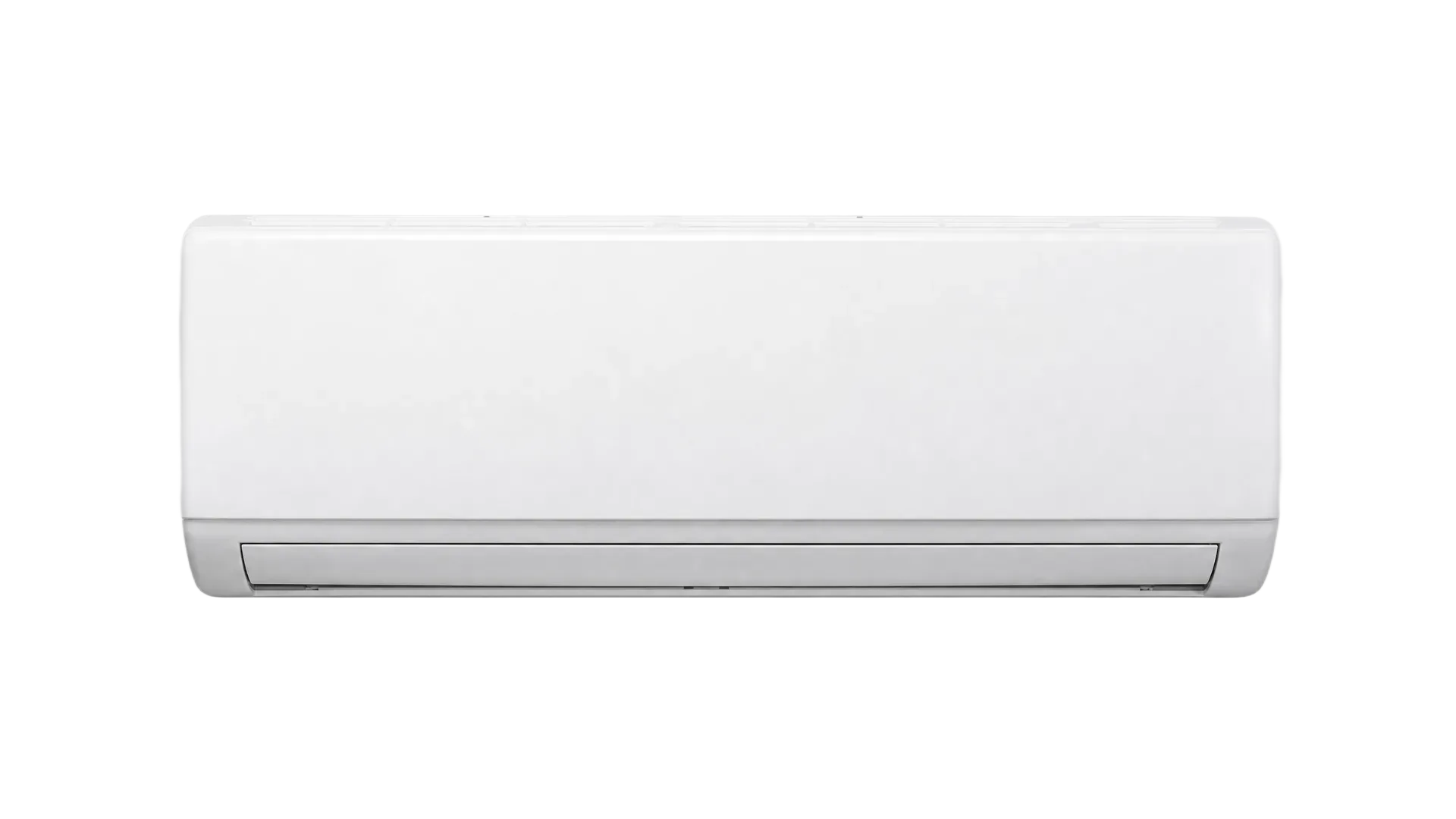
A white wall-mounted mini-split air conditioner indoor unit centered against a plain light gray background.
Get matched

How cold is too cold for a mini split in Idaho?

Idaho winters get cold enough that it's a fair question whether a mini split can keep a house warm, especially on the nights when temperatures drop well below freezing. You're planning ahead, maybe for a room addition or a house that still relies on gas, and want to know at what point the outdoor temperature just stops working for a mini split before you commit to one.

Most mini splits lose heating power below 5°F, though cold-climate models keep working down to about -13°F

A standard mini split draws heat from the outside air, and the colder that air gets, the less heat there is to pull from. Somewhere around 5°F, a regular unit starts struggling to keep up, and the heat it puts out drops off. Cold-climate mini splits use a different compressor design built to keep pulling heat down to around -13°F, which matters in parts of Idaho where overnight lows get well below zero in January. If your winters run that cold, the unit you choose and how it's sized for your home decide whether it carries the load on its own or needs a gas furnace backing it up on the coldest nights.

An older woman with gray hair in a cream knit sweater sits under a blanket on a sofa by a window, looking outside toward yellow-leaved trees, with a lamp, shelves and an armchair in the room behind her.
A gray-haired woman in a chunky knit sweater sits in an armchair with a blanket, looking out a window at yellow autumn foliage, with bookshelves and a potted plant behind her.
A gray-haired woman in a navy sweater sits in an armchair with a knit blanket beside a window, looking out at yellow autumn foliage, with a dining table and houseplant in the room behind her.
A gray-haired woman in a gray cowl-neck sweater sits in an armchair with a blanket, looking out a dark-framed window toward yellow autumn trees.

A standard mini split starts losing real heating capacity somewhere around 5 degrees Fahrenheit, and below that it has to work harder to produce less.

A cold-climate mini split is built differently and keeps producing usable heat down to around negative 15 degrees, which covers most Idaho winters without backup.

A wall-mounted mini-split air conditioner indoor unit with a dusty, discolored cover, installed near the ceiling on a plain light-colored wall.
Before you get your mini split installation
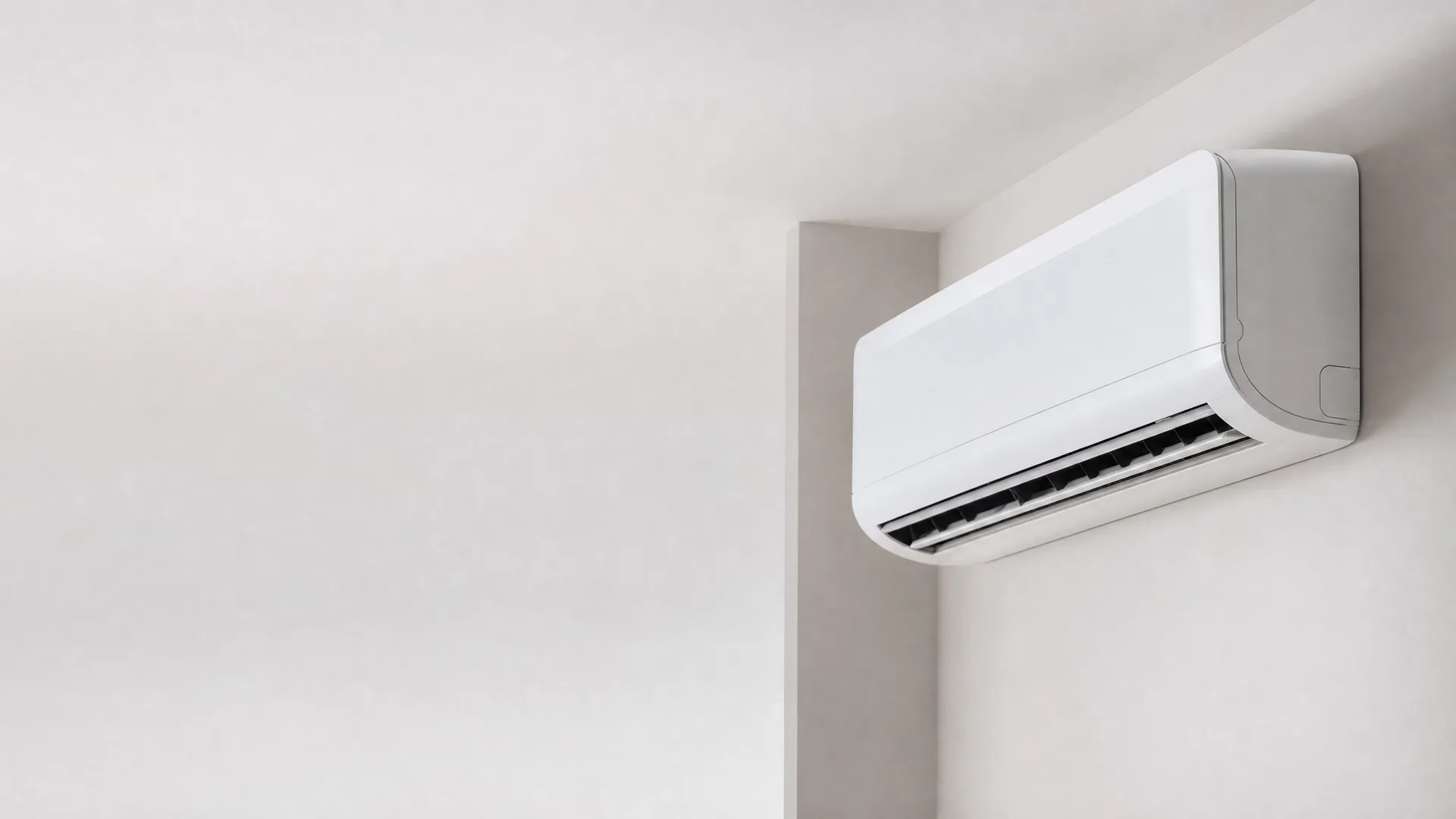
A white wall-mounted mini-split air conditioner unit installed high on a light gray interior wall below crown molding, with a bamboo-shaded window at the lower left.
After you get your mini split installation

What a cold snap costs you

If a standard mini split is your only heat and a January night drops well below freezing, it runs longer and still falls behind. The room it serves cools off faster than the unit can recover, and the system draws more power trying to catch up. In a lot of Idaho homes the mini split is backup to a gas furnace, so the furnace picks up the slack. But if you're counting on the mini split alone for a bonus room or a detached space, that's where you'll feel it first: a cold room and a higher bill for the privilege.


What a cold-climate unit changes

A cold-climate mini split sized and installed for your space keeps producing heat through the nights a standard unit struggles with. You won't notice it working harder, because it isn't. The room holds its temperature the same way at negative 5 as it does at 30. If it's paired with your gas furnace, it carries more of the load on its own before the furnace needs to step in. Installed correctly for Idaho's cold, it stops being a system you have to think about once the temperature drops.

A woman in a cream knit sweater sits in an armchair with her eyes closed near a window showing yellow autumn foliage, with a mug on a round wooden side table beside her.
A gray-haired man with a beard in a blue button-placket shirt reclines on a couch with his eyes closed, beside a sunlit window with a green plant.

Get your mini split to the right pro

Send the form and the search for an installer is over.

Sending the form costs nothing.

Running a mini split alongside gas heat

Most houses in Idaho heat with a gas furnace, and that changes how a mini split should fit into the picture. Instead of asking one system to carry the whole winter, the mini split handles the mild stretches and the shoulder months, while the furnace takes over once temperatures fall hard. A contractor sizing the install can set up the two systems to switch over around a temperature point that makes sense for your house, rather than leaving the mini split to grind through single digits alone. This keeps the compressor from laboring through the coldest nights and spreads the work between two systems built for different jobs.

Running a mini split as your only heat

Some homes, especially additions or rooms without gas lines running to them, rely on the mini split by itself. In that setup, the model matters more than almost anything else. A cold-climate unit sized correctly for the square footage it's heating can carry an Idaho winter on its own, including the nights that drop well below freezing. A standard unit asked to do the same job will struggle once temperatures fall far enough, and there's no furnace behind it to pick up the slack. Getting the sizing and model right at installation is what decides whether this works.

Power costs 11.83 cents per kilowatt-hour statewide

At 11.83 cents per kilowatt-hour, running a mini split hard through a cold snap won't hit your wallet the way it might elsewhere. That's worth knowing if you're deciding between leaning on it through winter or pairing it with your gas furnace.

EIA-861 2025 statewide residential average

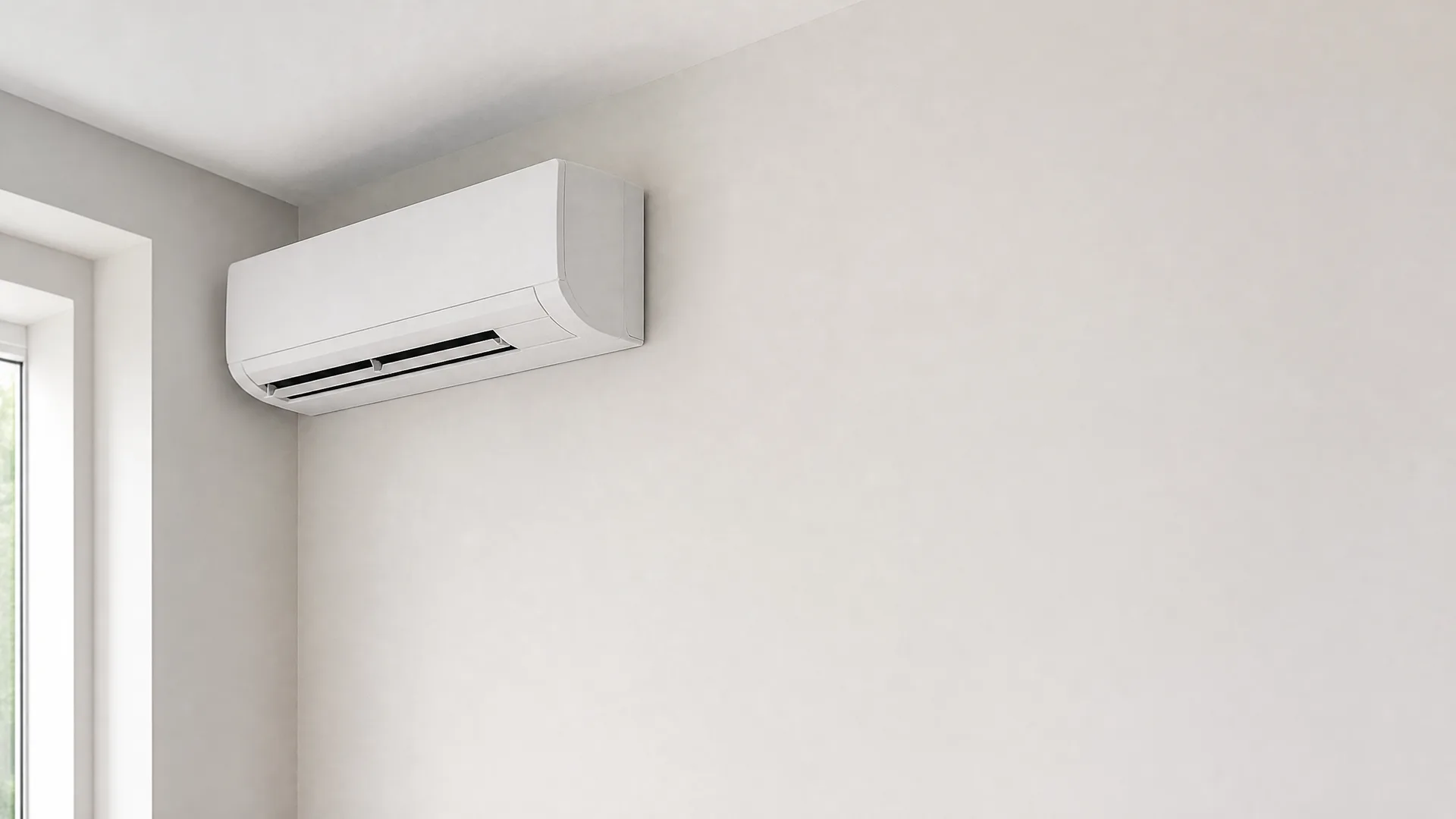
A white wall-mounted mini-split air conditioner installed high on a plain light-colored interior wall near a corner, with a window frame at the left edge.

A standard unit picking a bad night

Pick a night in January when the valley drops to 10 below and the standard mini split is the only thing running in that room. It's already struggling above 5 degrees, so well below that it's producing a trickle of heat while pulling a steady draw of power. The room loses ground slowly through the night. By morning it's noticeably cooler than where you set it, and the unit never caught up.

A white wall-mounted mini-split air conditioner installed near the top of an interior corner wall, with large blank light-colored wall space to the left.

A cold-climate unit on the same night

Put a cold-climate mini split in that same room on that same night and it's still producing real heat at negative 10, maybe lower depending on the model. It doesn't coast through the cold snap, it just keeps working closer to how it worked in November. The room holds its temperature instead of drifting down. That's the difference a cold-climate compressor is built for, and it's the thing to ask about before you install.

A standard mini split starts falling behind somewhere around 5 degrees, and a cold-climate model keeps working down near negative 13. That's the real answer to how cold is too cold. Where your house sits on that line, and whether you're leaning on the mini split alone or running it alongside a gas furnace, decides which unit makes sense and whether it needs backup on the coldest nights. The right call depends on specifics a page can't know about your house. Once you send the form, you're done figuring it out alone. A contractor who installs these units in Idaho winters will look at your situation and tell you straight whether you need the cold-climate version, whether your gas furnace should stay in the rotation, and what size fits the room you're heating. You don't have to guess your way through this on your own anymore.

At dusk, a dark board-and-batten house with a standing-seam metal roof and lit entry walkway of stone pavers, with two large outdoor heat pump units on a stone-walled pad at right and trees and hills in the background.

Mini Split Installation

The right pro for this job

Step 1 of 3: Equipment
  • A brown leather and wood armchair with a cream knit throw sits in a corner beside a woven basket holding a dark cushion, under a framed mountain photograph, with a wood-trimmed window showing yellow and green foliage.
    • Describe your mini split job, and a local pro who handles it gets in touch.
    • A local installer who puts in mini splits gets your project.
  • A dark wood dresser against a pale wall holds a ceramic vase of eucalyptus branches, a stack of books with a wooden bowl, and a woven basket, with a framed landscape painting above and a woven basket holding a knit blanket on the floor beside a window.
    • One request ends the search for a mini split installer.
    • Once you send the form, finding a pro is off your list.
  • A window seat with beige linen and brown textured cushions, a chunky knit blanket, and an open book, beside a window showing blurred yellow autumn foliage.
    • Skip collecting and comparing quotes for the new mini split.
    • Skip the round of in-home estimates for a new mini split.
  • A cream upholstered armchair with a rust-colored pillow and knit fringed throw sits beside a window with a ceramic vase of orange-leafed branches on the sill, overlooking autumn trees and leaf-covered ground.
    • Your request stays with one local pro.
    • Your request goes to one pro, not a list of companies.