











Mini Split Idaho Pros

Does a mini split lower heating bills in Idaho

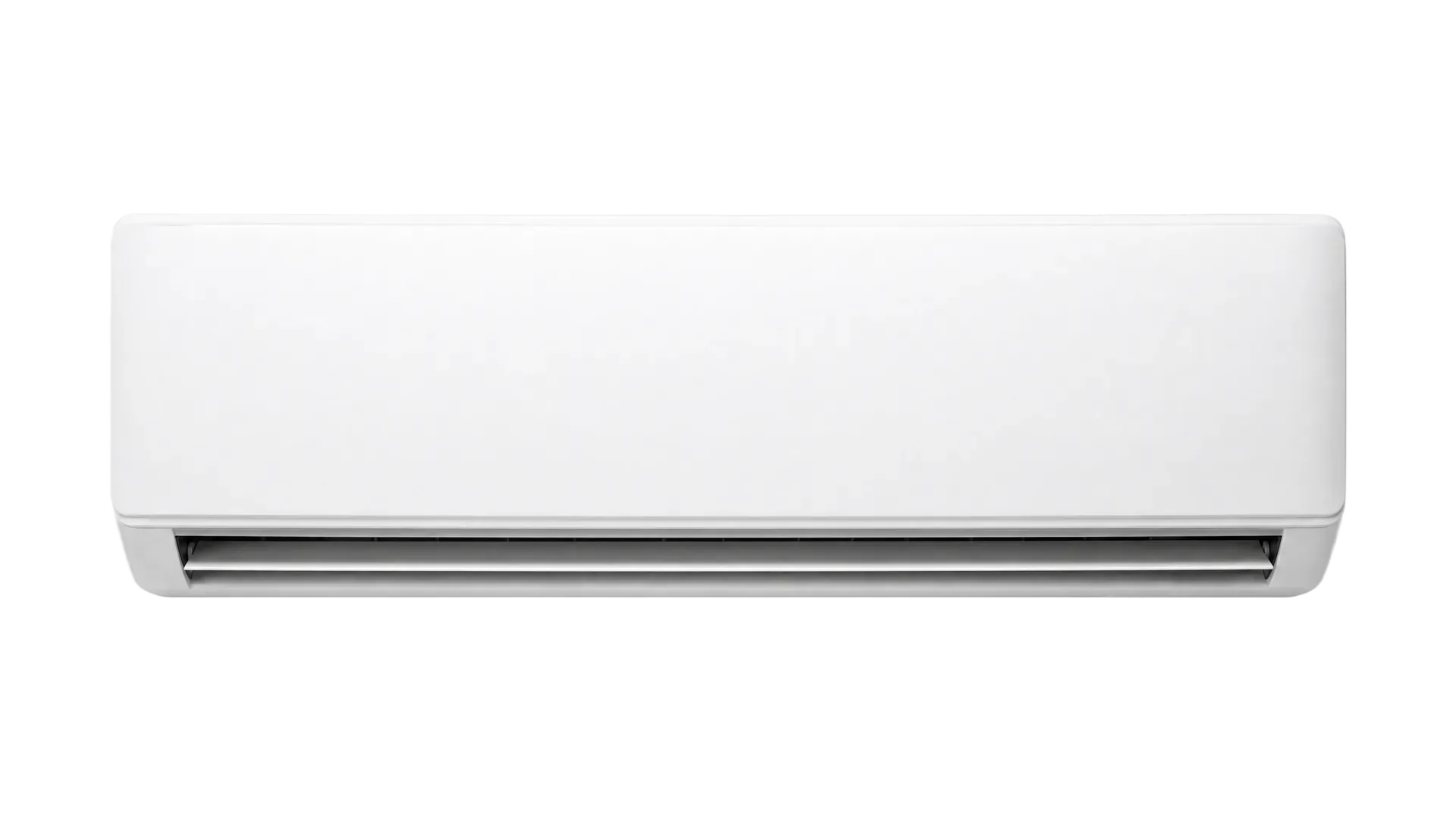
A white wall-mounted mini-split air conditioner indoor unit with a horizontal louvered air outlet, shown against a plain light gray background.
Start one form

A mini split can lower your heating bill, but in Idaho it depends on what you're heating with now. Most homes here run on gas furnaces, and gas is already a cheap way to heat a house when the price of power is as low as it is in Idaho. A mini split moves heat instead of burning fuel to make it, so it can still cost less to run than electric resistance heat or an older furnace. But if your gas furnace is in good shape, a mini split may not beat what you're already paying. Where a mini split pays off is in rooms gas doesn't reach well, or as a second system that takes the load off your furnace during the milder months and lets it rest when it's genuinely cold. Whether it lowers your bill comes down to what it's replacing and how it's sized and installed.

A white wall-mounted mini-split air conditioner installed high on a light gray interior wall below a white crown molding and ceiling with a recessed light.
A mini split sized and installed right carries most of the heat load on its own, so the furnace barely has to run.
A dusty, discolored white wall-mounted mini-split air conditioner unit installed on a plain beige interior wall below a molding strip.
One that's undersized or placed wrong leaves the furnace doing the work anyway, and you're paying for both systems.

A mini split doesn't make heat the way a furnace does. It pulls heat out of the outside air, even cold air, and moves it inside through refrigerant lines to the indoor head. That's why it can heat a room for less than burning fuel would, as long as the outside air isn't too cold to pull much heat from. Once temperatures drop into the 20s and below, the compressor has to work harder for the same result, and what you save starts to shrink. The indoor head doesn't cycle on and off. It reads the room and speeds up or slows down the compressor to hold the temperature, which is part of why the room it's in stays more even than a room heated by a furnace vent. It only heats that room well, though. A hallway or a closed bedroom down the hall won't feel much of it unless there's a head there too. Where the outdoor unit sits matters more than people expect. It needs clear air around it and has to stay clear of snow, or its output drops right when you need it most.

How a mini split actually heats

  • A mini split moves heat from outside air into your house instead of burning fuel to make it, which is why it costs less per unit of heat than gas or electric resistance in mild weather.
  • Below about 30 to 20 degrees Fahrenheit, depending on the model, a mini split has to work harder to pull heat from the air, so its efficiency drops as the temperature does.
  • The indoor head reads the room's temperature and adjusts the compressor speed to match the load, rather than switching on and off like a furnace burner does.
  • A single mini split head only heats the room it's installed in well, so a house that needs heat in several rooms needs either multiple heads or a backup source for the rest.
  • The compressor outside has to sit where cold air can reach it and where snow won't bury or block it, since restricted airflow there cuts its output.
  • Setting a mini split to carry the load during mild stretches and letting the furnace take over on the coldest nights uses each system where it works best.
A gray-haired man in a dark sweater sits on a light gray sofa in a living room, looking toward a sunlit window with trees outside.
A gray-haired man in a dark blue sweater sits on a light gray sofa in a sunlit living room, looking off to the side, with a potted plant, shelving unit, and large glass doors behind him.
A bearded man with graying hair in a dark green sweater sits on a sofa in a living room, looking off to the side, with a sliding glass door and a dim kitchen doorway behind him.
A gray-haired man in a dark knit sweater sits on a light gray sofa in a living room, looking toward a sunlit window, with houseplants, a lamp, and framed art in the background.

What sizing actually determines

A mini split is rated for how much heat it can move at a given outdoor temperature, not just the square footage of the room. A unit sized off a quick guess will run flat out on the cold mornings that matter most and still fall short, handing the load back to your furnace right when gas would have done it cheaper anyway. Getting the size right means someone calculating the actual heat loss of the room, the windows, the insulation, not reading a chart off the box. That's a load calculation, and it's the difference between a mini split that pulls its weight all winter and one that's decoration for three months of the year.

Where the install work hides

The indoor and outdoor units are only half of it. Line set length, how the refrigerant lines are charged, where the condensate drains, and how the unit is mounted against Idaho's cold snaps all affect whether it runs at the efficiency it's rated for. A line set that's too long or poorly insulated loses capacity before the air ever reaches the room. Someone who installs these every season in this climate knows which models hold up when it drops below freezing and which ones quietly stop helping your furnace at all. That judgment doesn't show up on a spec sheet, and it's usually what separates a mini split that pays for itself from one that doesn't.

A dusty, discolored white wall-mounted mini-split air conditioner unit installed high on a plain interior wall below a white ceiling molding.
Before you get your mini split installation
A white wall-mounted mini-split air conditioner on a beige interior wall, with a cream curtain and window at left, a potted plant on a ledge at right, and a wood floor below.
After you get your mini split installation

Skip the search

One installer gets your project, so there's no bidding war over it.

Asking costs nothing, and the choice to hire stays yours.

Run the mini split as your main heat and watch the furnace kick on anyway on the cold mornings, and you're paying twice: the electric bill for the mini split, the gas bill for the furnace.

Size it to the room and set it up to actually carry the load, and the furnace stays quiet most days, which is the only way the mini split lowers what you pay instead of adding to it.

A woman with shoulder-length brown hair wearing a beige knit cardigan sits in a gray upholstered armchair near a window, looking off to the side with a slight smile, with bookshelves blurred in the background.
A woman and a child wrapped together in a knitted gray blanket on a couch, with the child's head resting on her shoulder and a lit table lamp and houseplant in the background.
A white wall-mounted mini-split air conditioner near the ceiling of a room with light gray walls, white crown molding, and a beige curtain at the left edge.

Working as it should

A mini split that's sized and mounted right keeps a clean coil and a dry wall around it. Air moves through freely, so it pulls its share of the heat load without strain. That's what proper installation gets you, and it's worth having someone local who works on these year-round do the mounting and the sizing.


A dusty beige wall-mounted mini-split air conditioner indoor unit installed high on a plain light-colored wall below the ceiling.

Installed wrong

Dust and grime like this build up when a unit is placed where airflow is blocked or drainage wasn't set up right. The staining on the wall is condensation with nowhere proper to go. A mini split installed without attention to the room ends up working harder and still falling short on cold mornings.

Power costs 11.83 cents per kilowatt-hour statewide

At under 12 cents a kilowatt-hour, running a mini split in Idaho doesn't cost much for the heat it moves. That's the edge an electric system needs against gas. It only pays off if the unit is sized to actually carry the load instead of running flat out for a fraction of the house.

EIA-861 2025 statewide residential average

  1. The installer measures the room to figure the real heat loss.

  2. Line sets run through a wall to connect indoor and outdoor units.

  3. A vacuum pump pulls moisture and air out of the line set.

  4. Refrigerant charge gets checked against the line length run.

Why does your gas bill still jump when it's cold out

You run the mini split and the gas furnace still kicks on some mornings. You can hear it, and you can see it on the gas bill the next month. That's the unit losing its grip as the outdoor temperature drops, handing the load back to the furnace whether it's sized to or not. Look at the wall unit too. A thin stripe of dust or a faint rattle from the indoor coil means air isn't moving through it the way it should, so it's pulling less of its share of the heat even on the days it could carry more. None of this breaks anything on its own, but it means you're paying for two systems to do one job, month after month.

A two-story house with cream horizontal siding, a dark gabled roof, and a white front door, fronted by a lawn, shrubs, and a concrete walkway leading to a sidewalk and street, with large leafy trees on both sides.

Idaho summers run dry, and the average dew point across June, July and August is only 42°F, according to NOAA climate data. That's air with little moisture in it for your mini split's coil to wring out. In a sticky climate the unit spends real effort pulling water out of the air before it ever cools the room. Here it doesn't have to do that work, so more of what it moves goes straight into dropping the temperature. You'll notice it cools fast without feeling clammy indoors. Come winter, that same dry air outside is a different story for heating, since there's less moisture to work against the coil but also less to carry heat.

NASA POWER T2MDEW county cells weighted by homes

A wooden table in the foreground holds a closed laptop and a ceramic mug of coffee, with a spindle-back wooden chair behind it, a beige wall with paneled wainscoting, a window at left, and a kitchen counter with a cutting board, bowl of fruit and greenery at right.

So does a mini split lower your heating bill in Idaho

It can, but only if it's sized to your room and installed to actually carry the load. Get that right and the furnace barely runs, so you're paying less overall even with gas priced the way it is here. Get it wrong and you're running two heating systems instead of one, which costs more, not less.

That's the part that depends on who hangs the unit on your wall. Finding that person usually means searching around, calling a few companies, explaining your house and your furnace setup to each one, then sitting on quotes trying to compare specs you didn't ask for. A local installer who works on these units every winter already knows what sizing mistakes show up in Idaho homes, and you're dealing with one contractor instead of fielding calls from several.

A dark ceramic mug on a round wooden table beside a light grey sofa with a woven cushion and knit throw, with a window, potted plant, floor lamp and wooden cabinet blurred in the background.
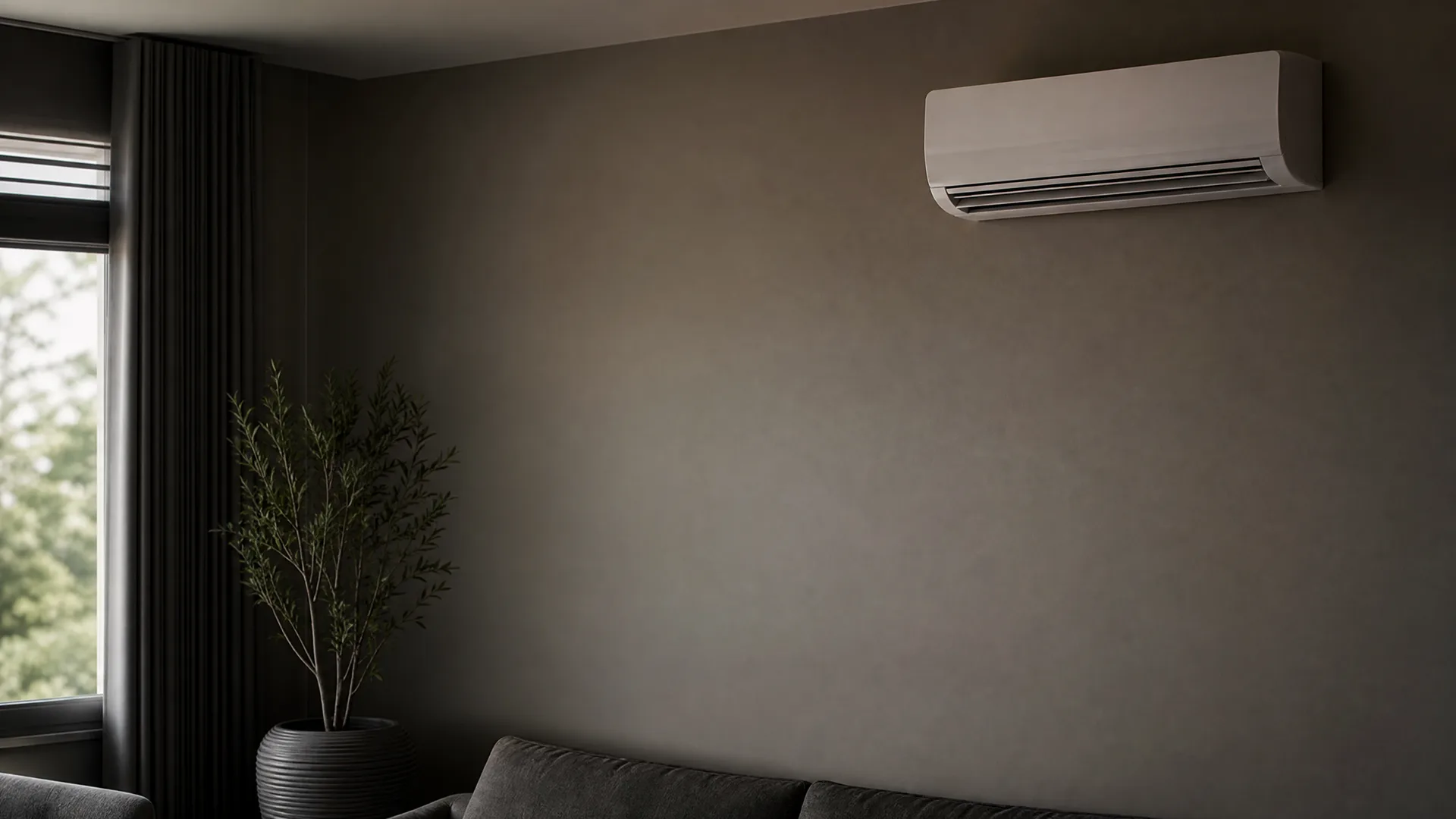
A white wall-mounted mini-split air conditioner high on a dim gray interior wall, with a potted thin-leaved plant, dark curtains and a window at left and a dark sofa at bottom.

Explain it one time

The pro who reaches out is licensed in Idaho.

Step 1 of 3: Equipment