

Sized and placed right
A properly sized mini split keeps putting out heat at the wall unit even when your basement is the coldest room in the house. The vane stays open, air moves steady, and the room holds its temperature through the night.
Say what's going on with your mini split, and a pro who works on them reaches out.
Match me with a proBasements run colder than the rest of the house once the ground freezes, and you have heard that heat pumps lose their nerve when it gets cold outside. Idaho winters get well below freezing for stretches, so before you count on a mini split to keep that space livable, you want to know if it will actually hold up or if you will be back to a space heater by January.
A mini split rated for cold climates keeps producing heat well below zero, using a compressor built for that range rather than the standard one in older or cheaper units. The basement itself helps here too: it stays warmer than the air outside because the ground around it holds heat, so the unit isn't fighting the same swings an upstairs room would see. What decides whether it keeps up is sizing. A unit too small for the basement's square footage and ceiling height will run constantly and still lose ground on the coldest days. Get the sizing and the cold-climate rating right and it heats the space through the winter without backup.

A properly sized mini split keeps putting out heat at the wall unit even when your basement is the coldest room in the house. The vane stays open, air moves steady, and the room holds its temperature through the night.

Dust and grime on the housing usually mean the filter behind it is clogged too. A unit working that hard to move air in a cold basement can't keep up, and the room falls behind no matter what the thermostat says.
You notice it most in the morning. The basement feels a few degrees off from upstairs, the wall unit is running but the room never quite catches up, or the air coming out feels cool instead of warm. Maybe the unit short cycles, clicking on and off instead of holding steady. Some nights you hear it struggling before a cold snap and give up and go check the gas furnace vents instead. A basement that can't hold heat through an Idaho winter is more than an inconvenience. Pipes run through that space, and a room that sits too cold for too long puts them at risk once temperatures drop well below freezing outside.
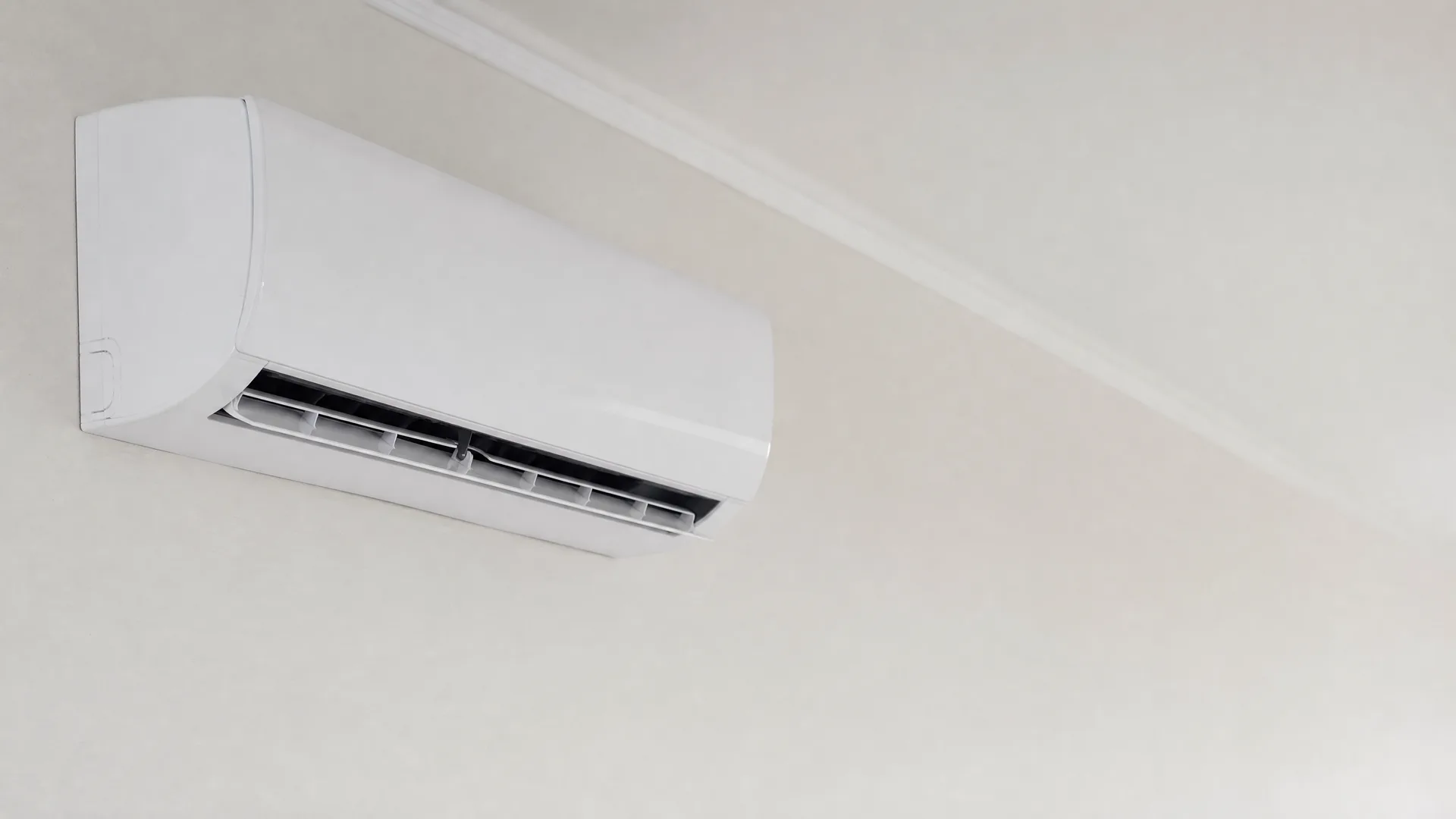
A cold climate mini split is built to hold its heating capacity down into single digits outside, not just at 47 degrees like a standard unit. The compressor ramps up as the temperature drops instead of giving up output. That matters in an Idaho basement, where the unit is working against cold coming through the slab and foundation walls all winter, not just a cool evening in October.
A basement loses heat through the slab and foundation walls, not just through air leaking out. That ground stays cold long after the air outside warms up in spring, which is why a basement can lag behind the rest of the house even on a mild day. A mini split sized for that steady draw keeps the room warm instead of just keeping up with it.
At 11.83 cents a kilowatt-hour, running a mini split in the basement all winter won't strain your budget the way it might in states paying twice that. Even with gas heat upstairs, a mini split handling the basement on its own is a cheap second system to run.
EIA-861 2025 statewide residential average
A mini split sized for the basement's square footage, not guessed at from a brochure, keeps the room warm when it's 10 degrees outside and the rest of the house is on gas.
An undersized unit, or one sized off the upstairs rule of thumb, runs flat out and still leaves the basement cold by February.




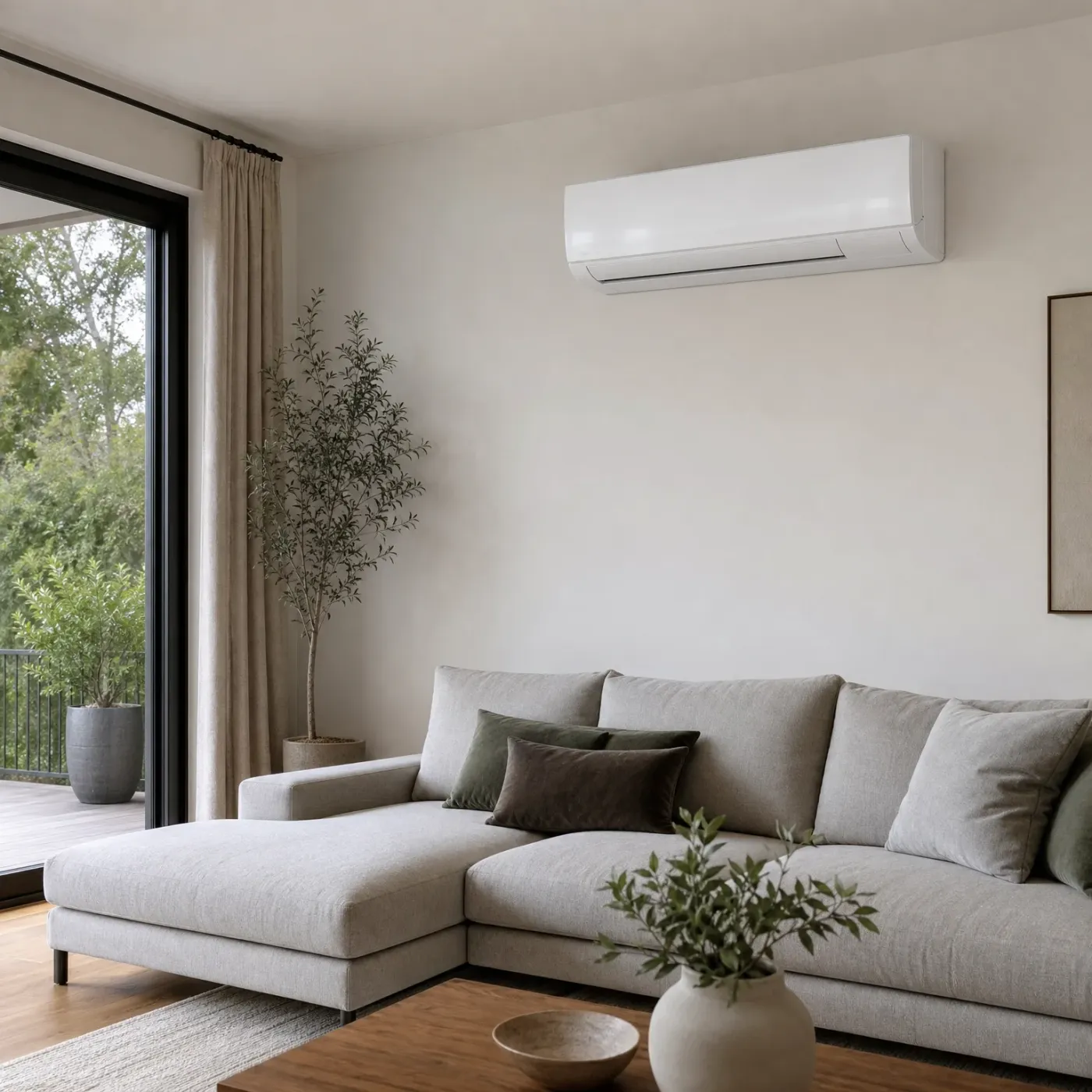
Describe the project once instead of to every installer.
A local pro who knows mini splits gets your details and gets in touch.
You only hire the pro if you want to.


A mini split works the opposite way from a furnace. There's no flame and no air coming through ducts. The outdoor unit pulls heat out of the outside air, even cold air, by running it through a refrigerant coil where the refrigerant changes from liquid to gas and back again, absorbing heat on one side and releasing it on the other. That refrigerant carries the heat inside to the wall unit in your basement, where a second coil and a fan push warm air straight into the room. The compressor is what makes this work: it compresses the refrigerant gas, which raises its temperature enough to dump that heat indoors even when it's cold outside. On a cold climate unit, the compressor runs faster as the temperature outside drops, pulling in more refrigerant flow to keep output up. That's the part that fails on an undersized or standard unit. The compressor hits its ceiling, can't ramp any further, and the room stops gaining ground.


Calling around to installers, explaining your basement's layout and square footage over and over, then trying to compare quotes that each assume something different about the unit.
Tell one contractor what's going on with your basement once. They reach out knowing the situation already, and you skip the round of calls and the guesswork on sizing.

A mini split sized for your basement, installed where the air actually reaches the room, will keep heating through a 10 degree night. That's the whole answer. The unit doesn't quit in the cold the way the old rule of thumb assumes, and the basement doesn't have to be the room you give up on.
Getting there means someone has to look at your basement specifically, not guess from the square footage upstairs or a number off a brochure. That's the part that takes the back and forth out of it. Instead of calling a handful of installers and walking each one through the same layout, the same question about where the ground freezes and how the room sits below grade, you describe it once and get matched with a contractor who works from your numbers. They reach out to you from there.


A local pro for your mini split installation



